What Chianti actually is
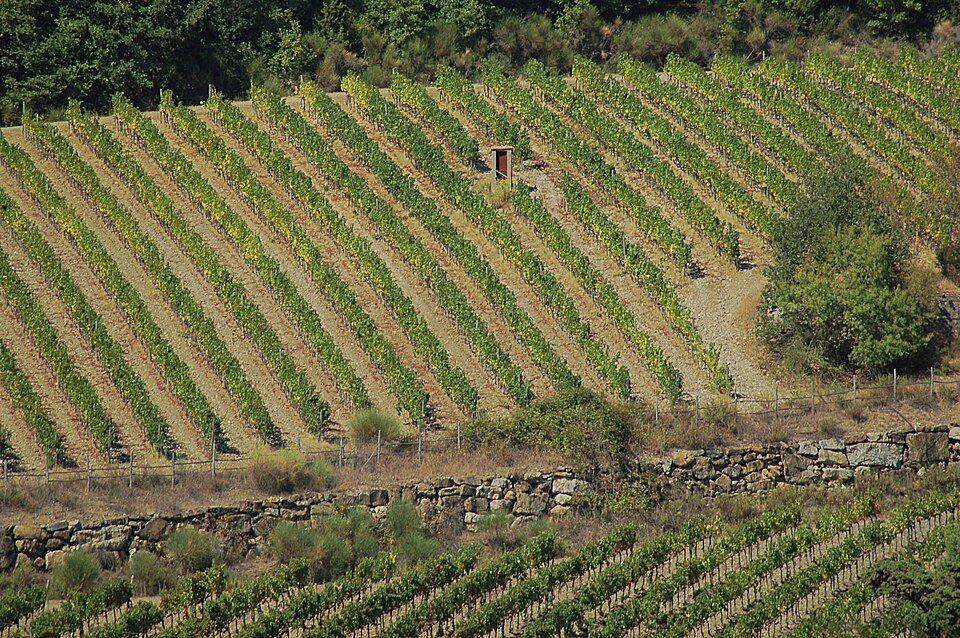
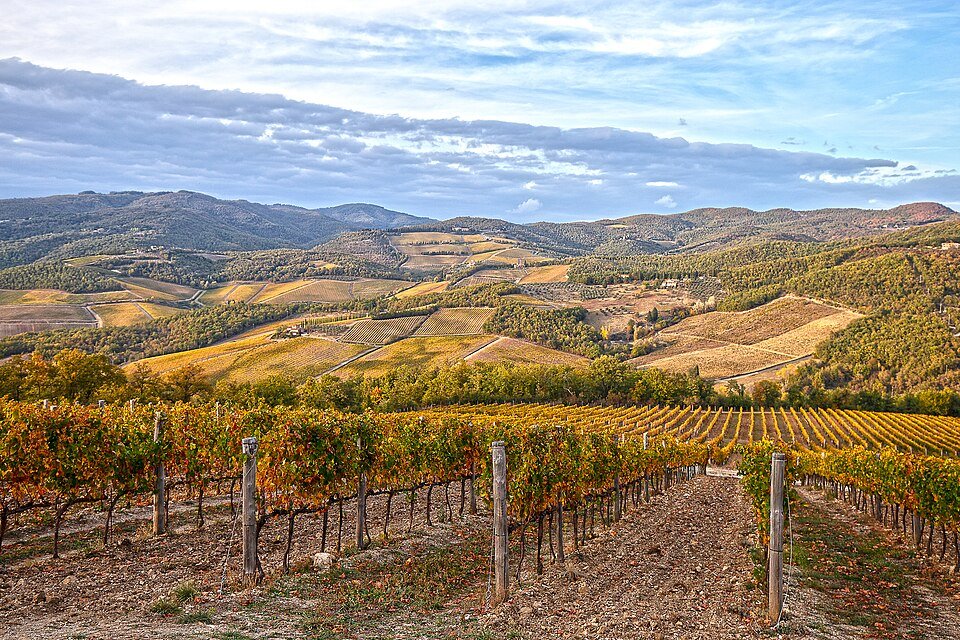
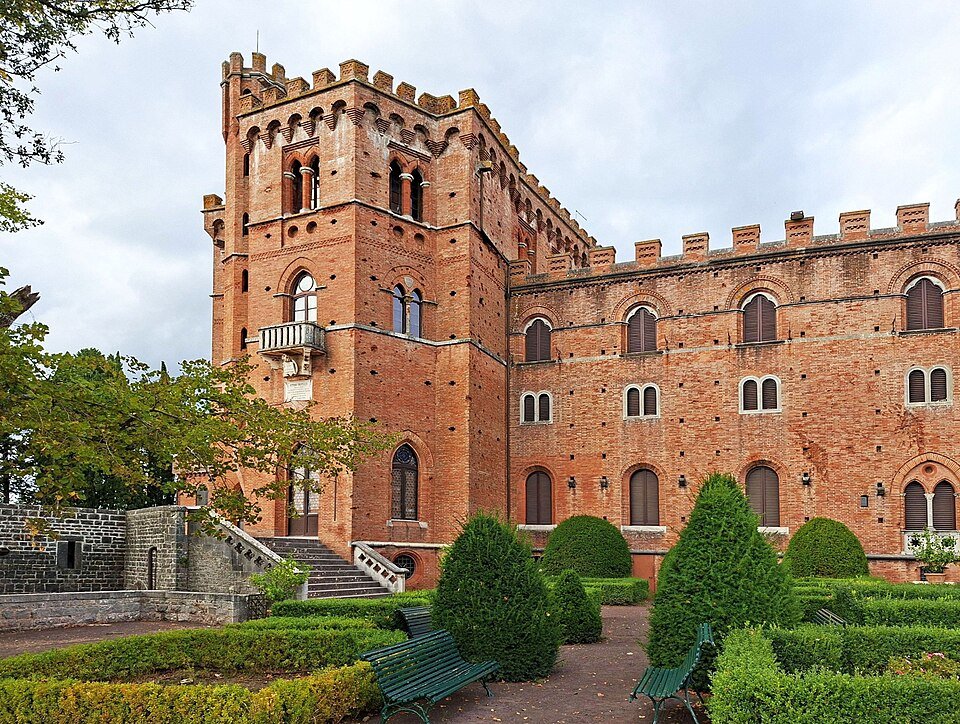
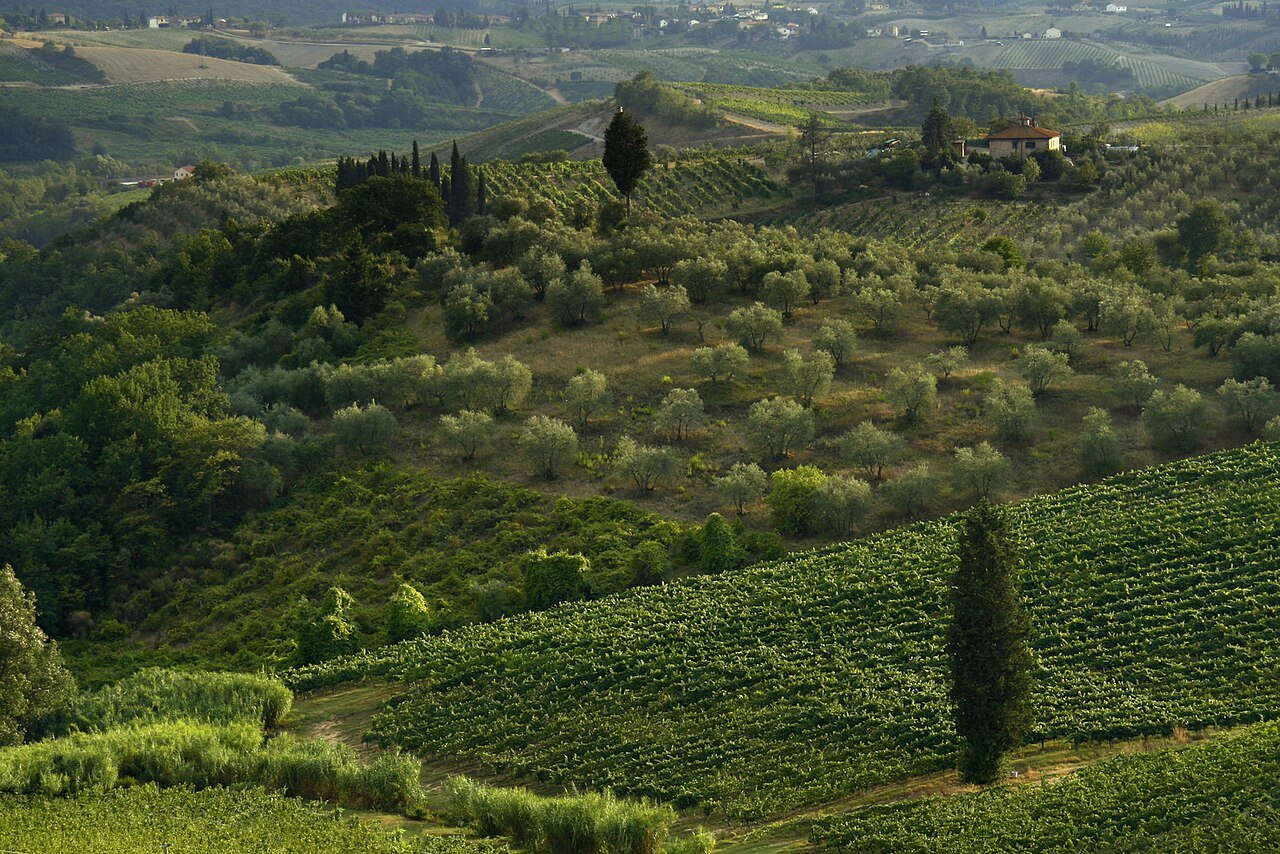
Chianti is a place before it is a wine: a band of hills running south from Florence towards Siena, with vines and olives on the slopes, cypress along the ridges, and stone farms and small walled towns — Greve, Castellina, Radda, Gaiole — strung along the roads.
The boundaries of the wine zone were first defined by the Grand Duke of Tuscany in 1716, which makes it one of the oldest demarcated wine regions anywhere. Chianti Classico, the historic core between the two cities, carries a black rooster on the neck of the bottle.
The grape is Sangiovese. The straw-covered flask most people picture is largely a thing of the past.
⚠️ Getting there is the whole problem
There is no useful railway through the Chianti hills. Realistically it is a car, an organised tour, or a determined day with regional buses that will not reach the interesting parts.
⛔ If you are driving, remember that Florence's historic centre is a ZTL — a restricted zone with cameras, where each gate you pass is a separate fine that arrives by post months later. Collect the car from outside the centre, not from a garage inside it.
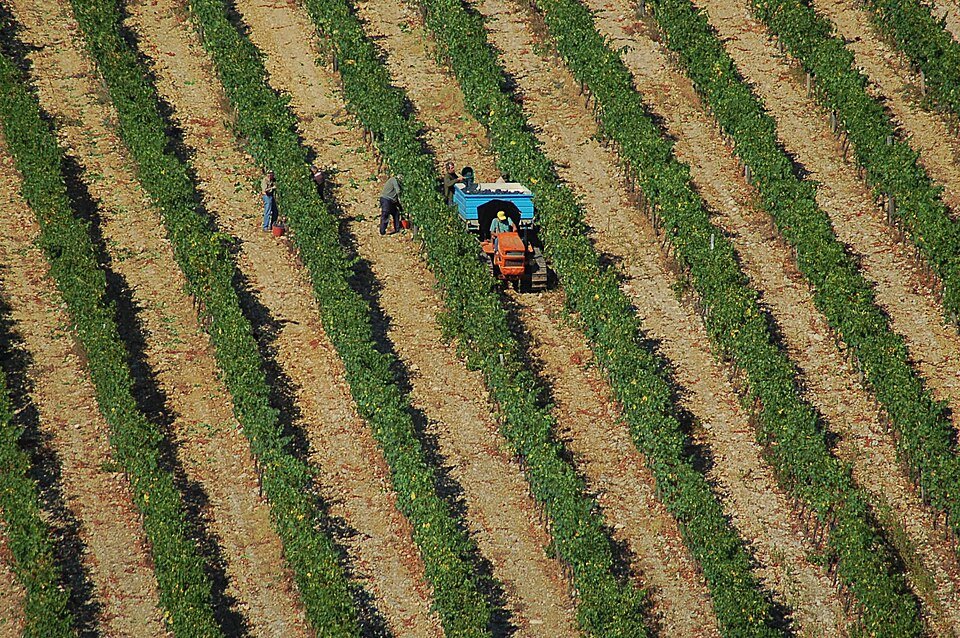
⚠️ Wine estates are working farms. Most want a booking rather than a walk-in, many close for a long lunch, and some are shut entirely during harvest.
What a good day looks like
Two or three towns and one or two estates, not five of each. The roads are slow and winding and that is the point of them.
⭐ The route south from Florence towards Siena — the old Chiantigiana — is the drive itself, and it is worth taking in preference to the fast road even if it costs an hour.
If you would rather not drive, a tour that pairs Chianti with Siena and San Gimignano is a sensible way to see all three.
⛔ Do not drink and drive on these roads. If wine is the point of the day, take a tour or a driver.
Chianti in pictures