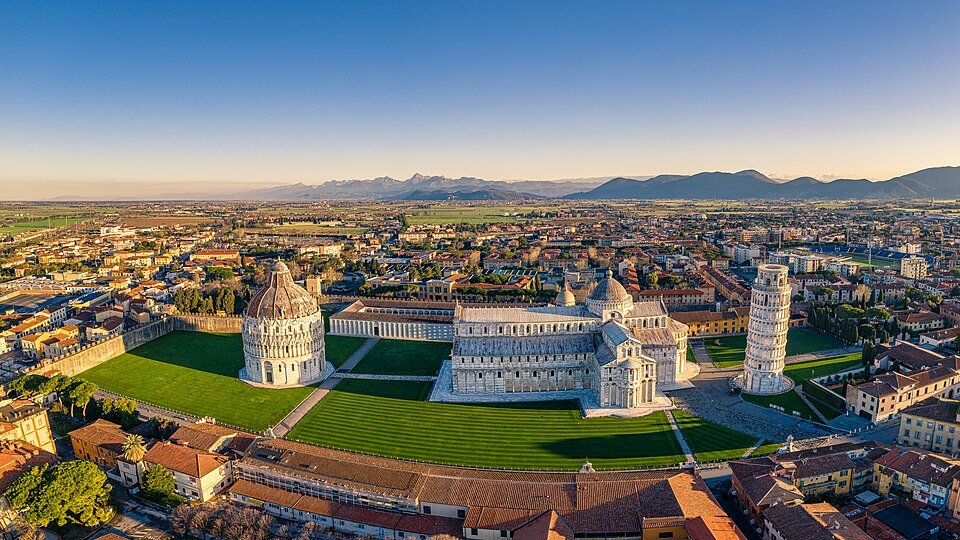
Pisa
The tower is not the point, or not the whole point.
The Piazza dei Miracoli is a walled green lawn with four white marble buildings on it — cathedral, baptistery, campanile and cemetery — and it is genuinely startling the first time, because nothing around it prepares you for it.
⚠️ The tower is a separate timed ticket with a minimum age and a bag rule, and slots go. The cathedral, the baptistery and the Camposanto are the better buildings and much easier to get into.
Trains run from Santa Maria Novella several times an hour and take about an hour; the Piazza is a twenty-minute walk from Pisa Centrale, or a short bus. It is the easiest day trip from Florence and can be done in half a day.
Siena
Florence's great medieval rival, and the better-preserved city.
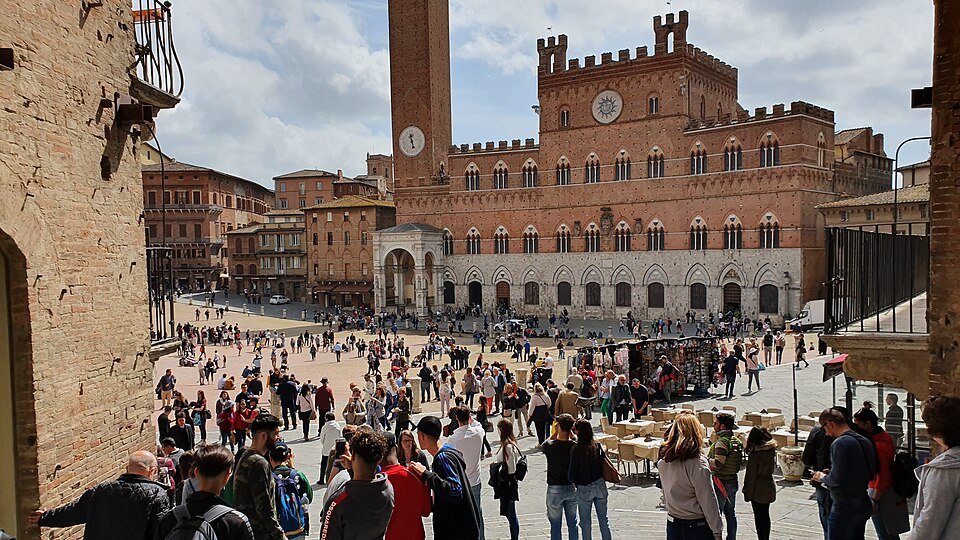
The Campo is a sloping brick shell of a square, and the Palazzo Pubblico and its tower stand at the bottom of it. The cathedral is a striped black-and-white cliff with a floor of inlaid marble panels that are only fully uncovered for part of the year.
⚠️ Siena station is outside and below the walls. There is an escalator system up into the town and local buses; it is not a walk you want with luggage.
The Palio is run in the Campo twice each summer. On those days the city is not a day trip, it is an event, and everything is different.
Lucca
A complete Renaissance wall with a park on top of it.
The walls survive all the way round and were turned into a tree-lined promenade — you can walk or cycle the full circuit above the rooftops, which is the thing to do here.
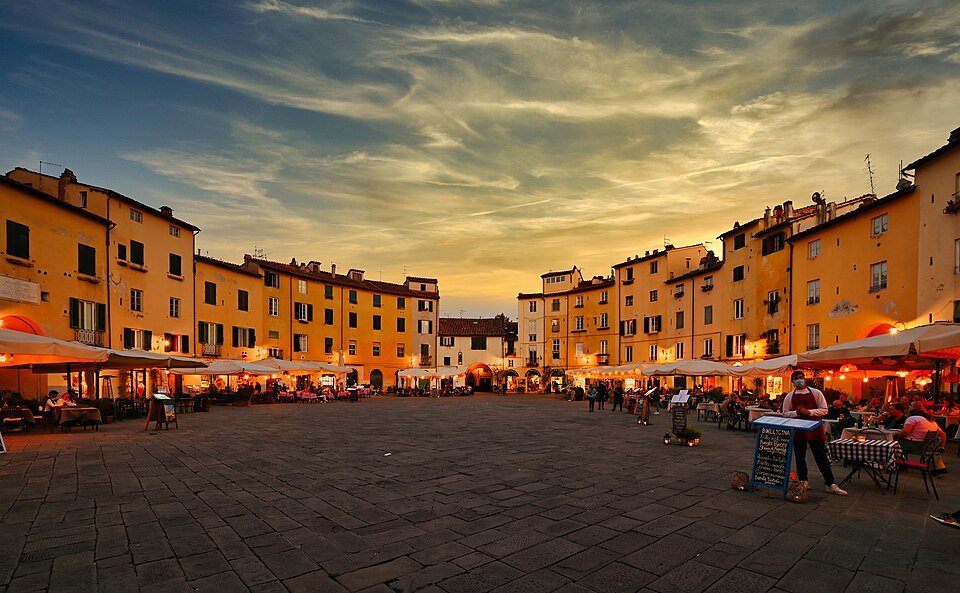
Inside, the Piazza dell'Anfiteatro is a ring of houses built into the shape of the Roman amphitheatre that used to stand there, so the square is an oval.
It is flatter, quieter and less visited than Siena, and it is the easiest of these towns to simply wander in.
San Gimignano
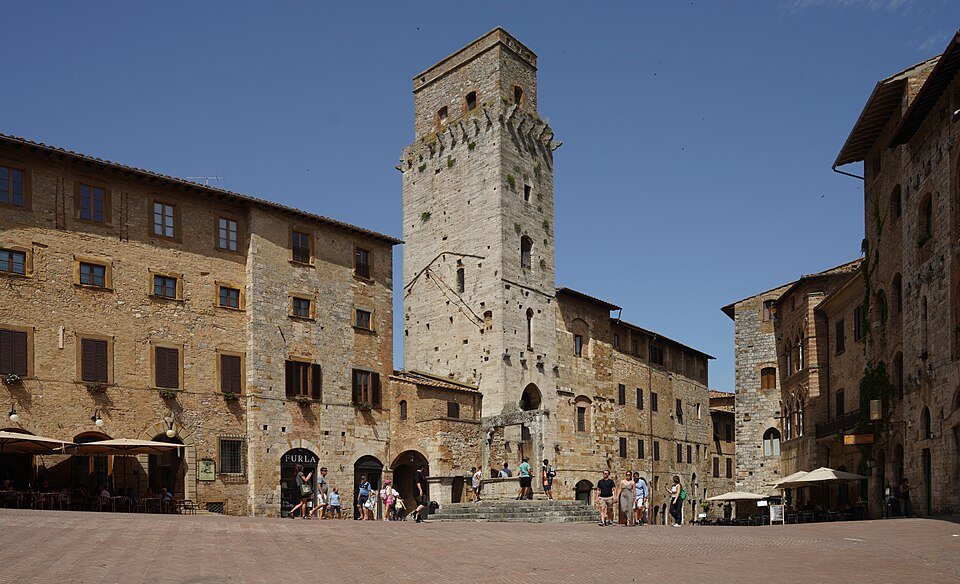
The medieval skyline everybody photographs.
Fourteen tower-houses survive of the seventy-odd the town once had — built by rival families who kept going higher than each other until the law stopped them.
⚠️ There is no station. The usual route is a train to Poggibonsi and a connecting bus up the hill, which makes it the most awkward of these trips by public transport and the one most often done as part of a tour.
It is small, and it empties dramatically in the evening once the coaches leave.
The Cinque Terre
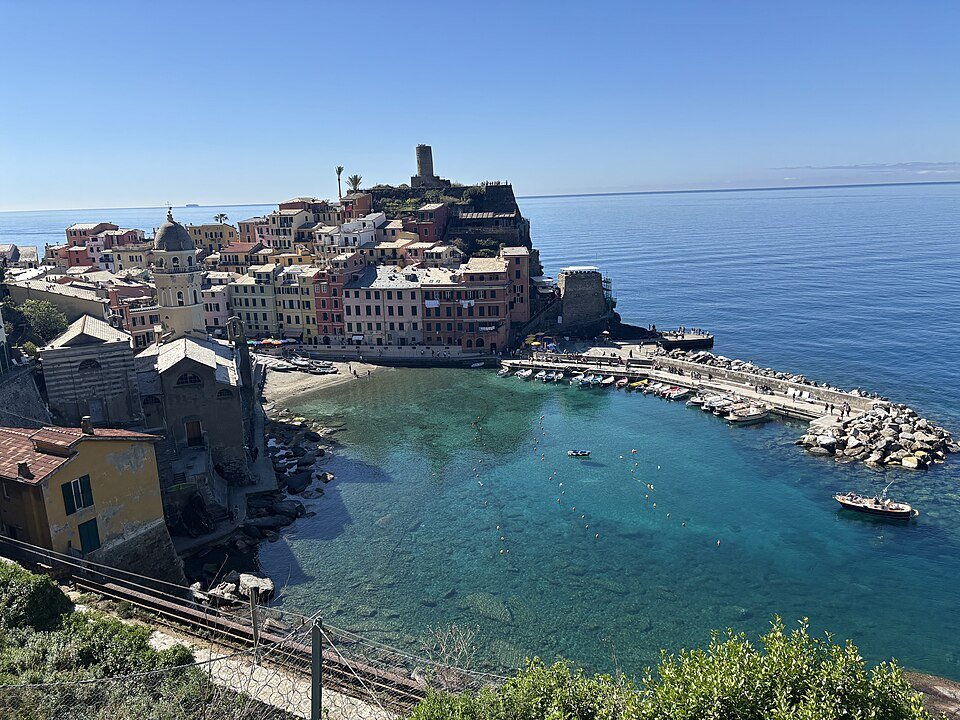
Five villages on a cliff, and a long day.
Trains run from Florence to La Spezia and then along the coast, stopping at each of the five. Monterosso, Vernazza, Corniglia, Manarola and Riomaggiore — the local line is what makes the day possible at all.
⚠️ This is a long day trip, not a short one: roughly two and a half hours each way before you have walked anywhere. It is much better as an overnight.
⚠️ The coastal footpaths between the villages open and close for landslides and some sections require a card. Check what is actually open before planning to walk between them.
Full guide to The Cinque Terre →
Chianti
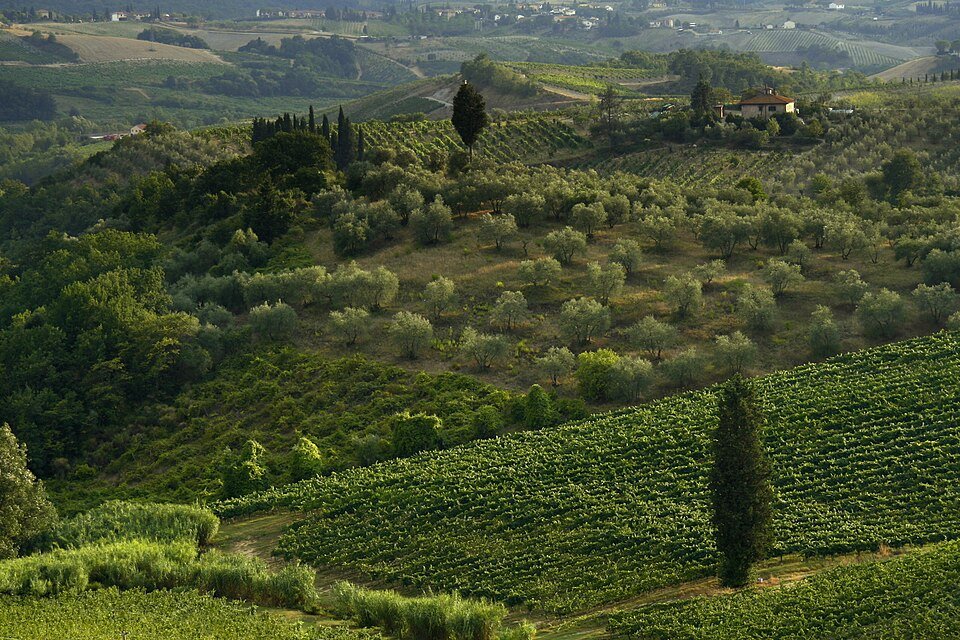
The hills between Florence and Siena, and the one trip where a car earns its keep.
This is the landscape people mean when they say Tuscany: vines, cypress, stone farms and small hill towns like Greve and Castellina strung along the road south.
⚠️ There is no railway through it. It is a car, a tour, or a very determined bus day — and if you are driving, remember that Florence's centre is a restricted zone with cameras, so collect the car outside it.
Most wine estates want a booking rather than a walk-in, and many close for a long lunch.
Fiesole
The Etruscan hill town above Florence — and barely a day trip at all.
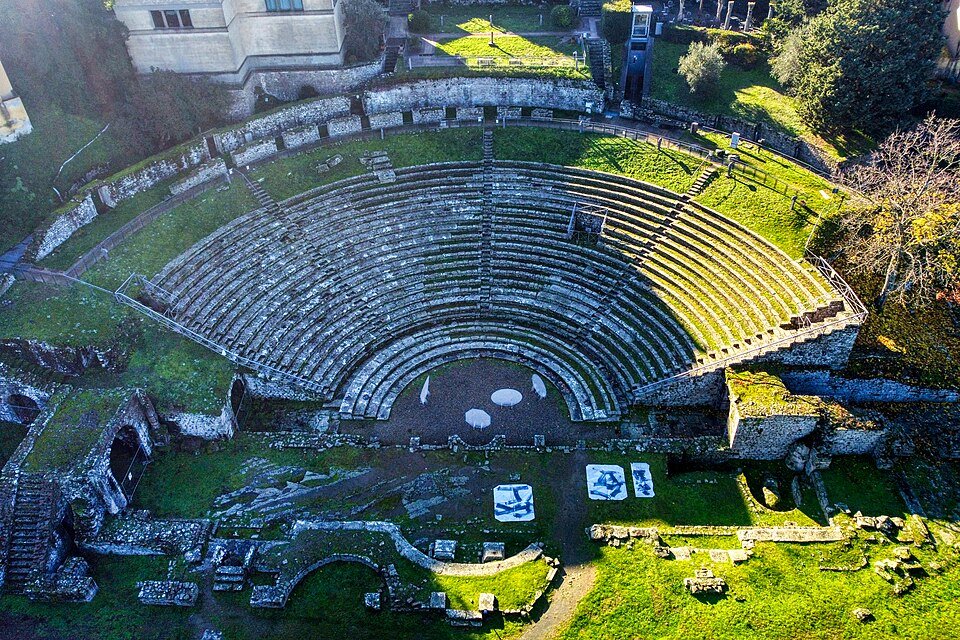
It is a city bus from the centre and it climbs to a small square with a Roman theatre, an archaeological site and one of the great views back over the city and the whole valley.
Because it is on an urban ticket and takes half an hour, it is the cheapest and easiest escape from the crowds in this list.
⭐ Go late in the afternoon. The light on Florence from up here at the end of the day is the reason to make the trip.
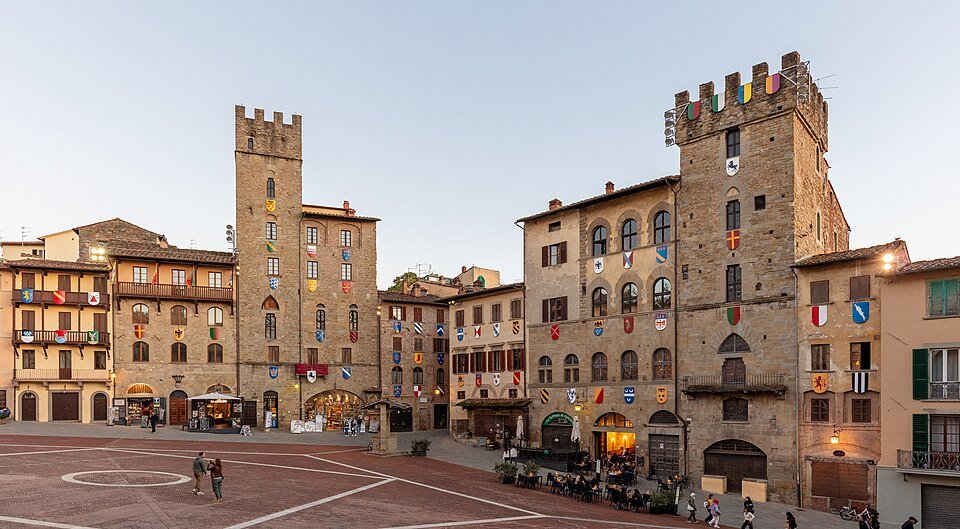
Arezzo
Piero della Francesca's fresco cycle, and far fewer people.
The Legend of the True Cross in San Francesco is one of the greatest fresco cycles in Italy and is seen by a fraction of the number who queue in Florence. ⚠️ Entry is timed and capped.
The Piazza Grande is a steeply sloping square with a Vasari loggia along one side; the antiques market fills it on the first weekend of each month.
It is on the main line south, which makes it an easy and unusually quiet day.