Access Florence The dome, and the nine hundred years around it.
cw firenzecampaniledigiotto dc9c6f
FIRENZE · TOSCANA

Everyone comes for the dome. Then they find the rest.

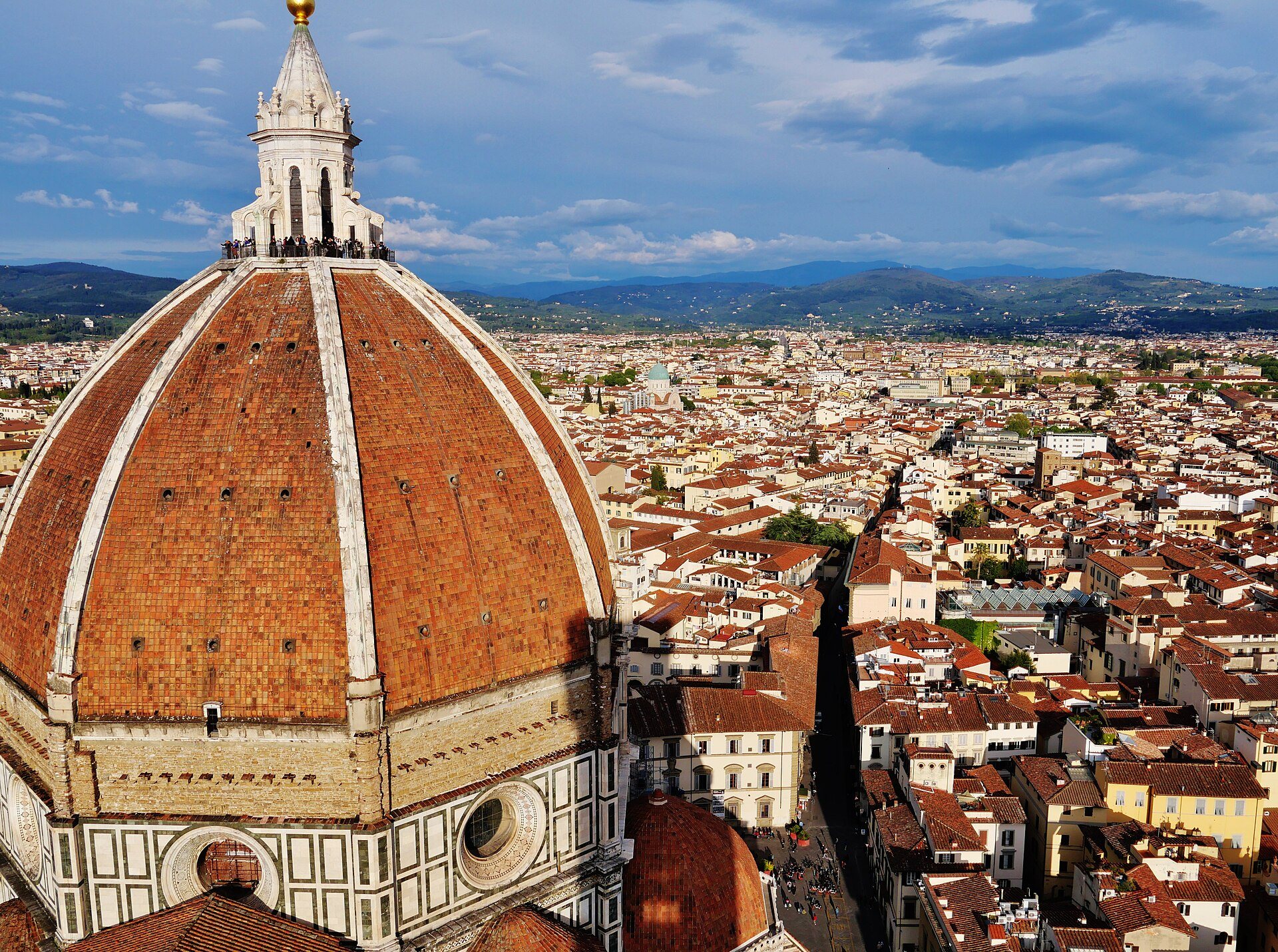
Brunelleschi closed the largest masonry dome in the world in 1436 and nobody has worked out how to build another one like it. It is why most people come. This is a guide to standing under it, climbing inside it, and to the twenty-three other things within a kilometre of it — plus the trains out to Pisa, Siena, Lucca and the Cinque Terre.

Zairon, Wikimedia Commons, CC BY 4.0

What Florence is

Florence is the capital of Tuscany, a city of about 360,000 people on the Arno — and its historic centre, the part everyone comes for, is roughly a kilometre across. You can walk from the cathedral to the far bank of the river in about ten minutes. There is no metro, and you will not want one.

That size is the whole character of the place. Everything is close, which is wonderful, and it also means that in season almost everybody is standing in the same two hundred metres at the same time. Ten minutes of walking in nearly any direction gets you out of it.

A short history

Roman Florentia was founded in 59 BC as a settlement for veterans, laid out on the grid you can still read in the streets around Piazza della Repubblica.

It grew rich in the Middle Ages on wool and then on banking. The florin, struck here from 1252, became the currency merchants across Europe trusted, and the city's banks — above all the Medici — financed half a continent, and decided who ruled Milan.

That money paid for the Renaissance. The cathedral was begun in 1296 and left with a hole in its roof for over a century until Brunelleschi closed it in 1436. Within a few streets and a few decades: Ghiberti's doors, Donatello, Masaccio's frescoes, Botticelli, Michelangelo, Leonardo, and Machiavelli, who watched it all from a desk in the Palazzo Vecchio.

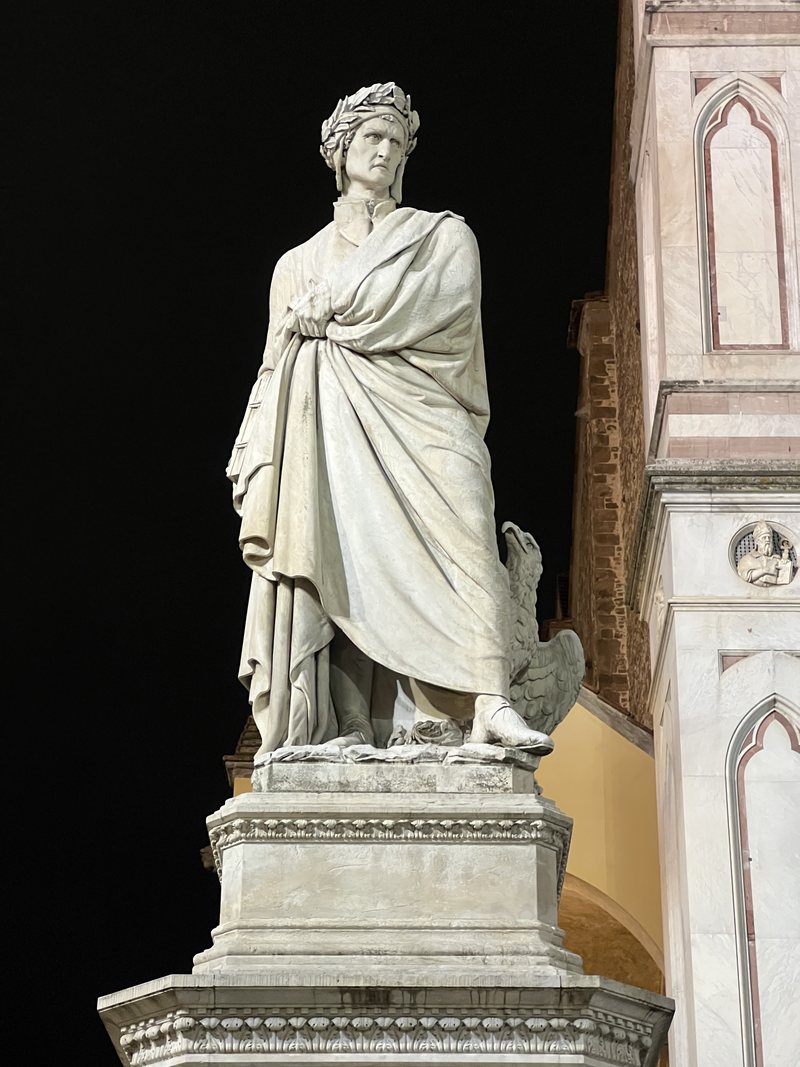
The Medici ran the city, lost it to a friar — Savonarola, who burned its luxuries in Piazza della Signoria and was hanged and burned on the same stones fifteen months later — took it back, and finally ruled as Grand Dukes until the line died out in 1737. Florence was briefly the capital of a newly united Italy from 1865 to 1871 — the year it raised its statue to Dante, six hundred years after his birth and five hundred and sixty after it exiled him on pain of death — which is when the old walls came down and the present cathedral facade was begun.

In 1966 the Arno flooded catastrophically, drowning the centre and damaging tens of thousands of works; the restoration effort that followed changed how the world conserves art. Today the historic centre is a UNESCO World Heritage Site and the city's central problem is the opposite of neglect — too many visitors in too small a space.

What it is known for

The dome, first and always. Then Michelangelo's David, the Uffizi, the Ponte Vecchio with the goldsmiths still working on it, and the fact that an extraordinary share of Renaissance art is still in the buildings it was made for.

Also: leather, marbled paper, bistecca alla fiorentina, tripe eaten standing at a cart, and gelato, which was more or less invented here. And, across the river, the half of Florence most visitors never reach.

CountryItaly · region of Tuscany
Population~360,000 in the comune; the historic centre is far smaller
FoundedRoman Florentia, 59 BC, on the north bank of the Arno
LanguageItalian. English is common in the centre, less so across the river
CurrencyEuro (€)
Time zoneCET UTC+1 · CEST UTC+2 from late March to late October
Getting around⭐ On foot. The old centre is about a kilometre across and there is no metro
AirportsFlorence (FLR) is small and close; Pisa and Bologna carry more flights
⛔ DrivingThe centre is a ZTL. Each camera you pass is a separate fine, posted later
⚠️ Closing dayMost of the big museums shut on Monday
1436the dome is closed
463steps to the lantern
24sights, one page each
8day trips by train
1 kmacross the old centre
freeto walk into the cathedral
THIS PAGE IS THE CLIMB

463 steps, and everything hangs off the height

There is no lift up Brunelleschi's dome. The stair runs inside the wall, in the gap between the two shells, and it is the only way to see how the thing is built. So this guide is arranged the way the climb is: what you settle before you arrive, what is on the cathedral floor, what is inside the wall, what you see from the terrace, and what opens up at the top.

0mTHE PIAZZA
THE PIAZZA

You have not gone in yet

Everything that has to be settled before you are standing here: which airport, which train, which ticket — and ⛔ the ZTL, the restricted zone the old centre sits inside, where every camera you drive past is a separate fine that arrives by post months after you are home.

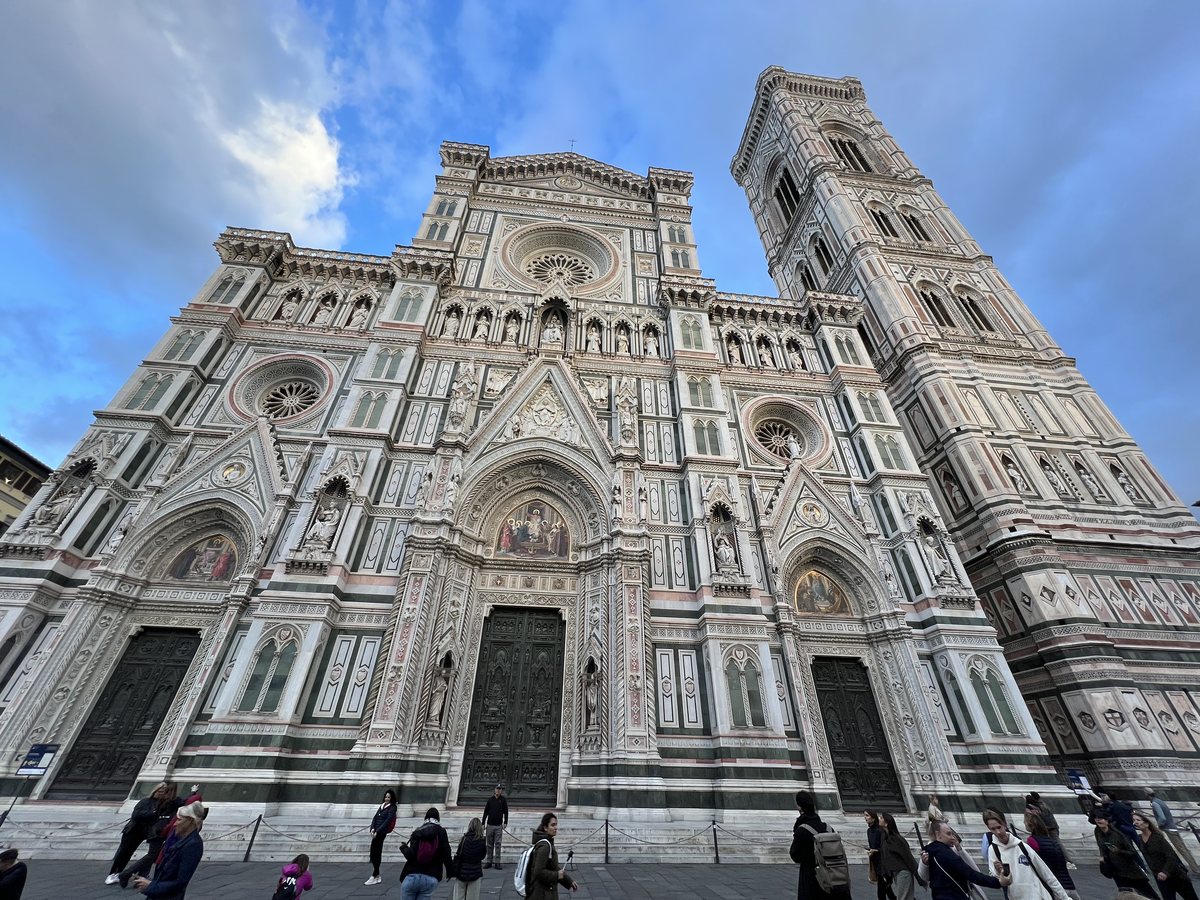
The whole west front, with the campanile alongside
The whole west front, with the campanile alongsidePhotograph by the author
~55mTHE CATHEDRAL FLOOR
THE CATHEDRAL FLOOR

Inside, and the dome is above you

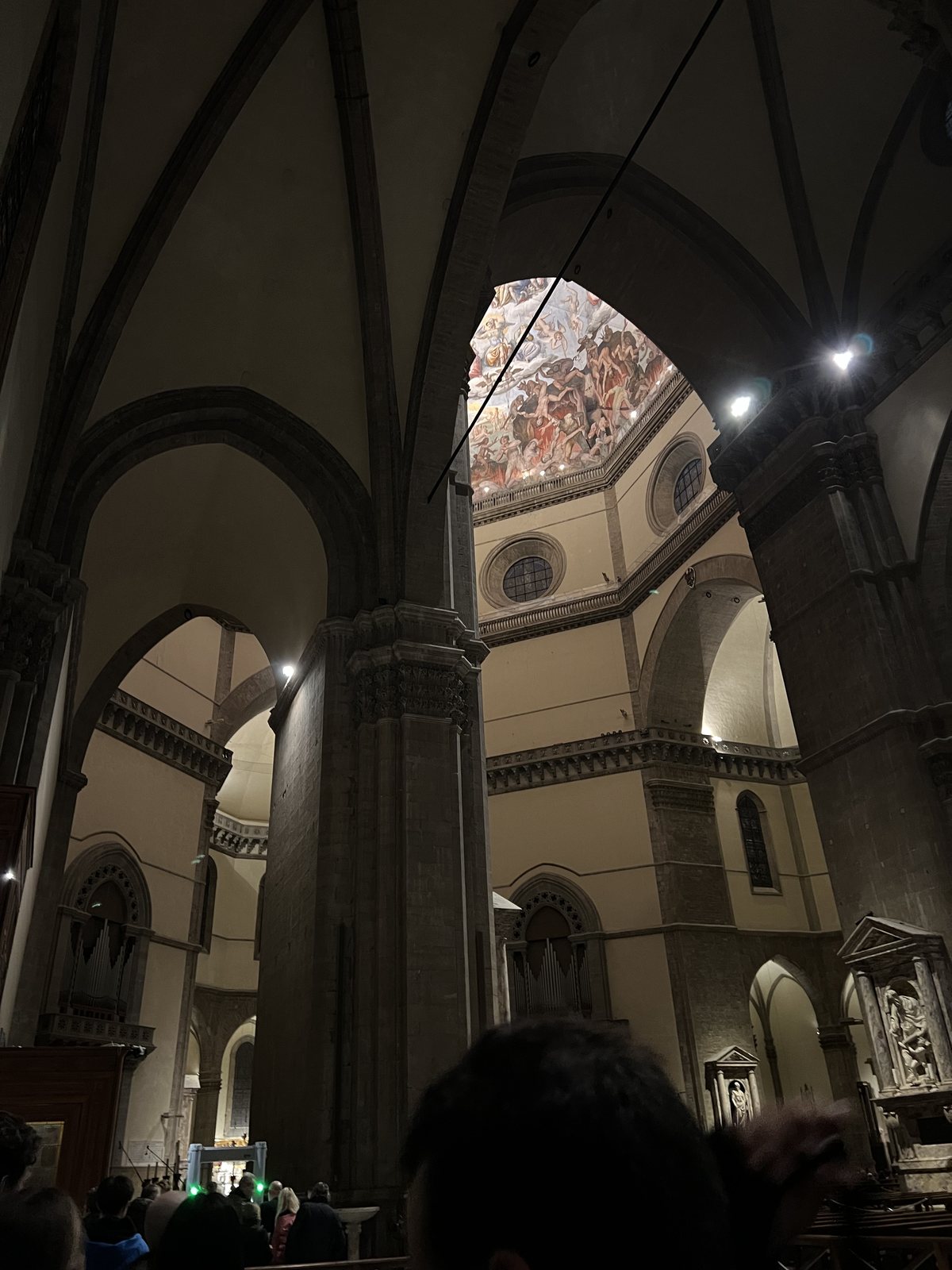
Entry to the cathedral is free, and the Last Judgement is painted across the whole vault overhead. Around you: the Baptistery with Ghiberti's doors, Giotto's campanile, and the museum that holds the originals of both. Five monuments, one complex — and only one kind of ticket takes you any higher than this floor.

The crossing, and the Last Judgement overhead
The crossing, and the Last Judgement overheadPhotograph by the author
BETWEENthe shellsTHE HERRINGBONE
THE HERRINGBONE

The part nobody photographs

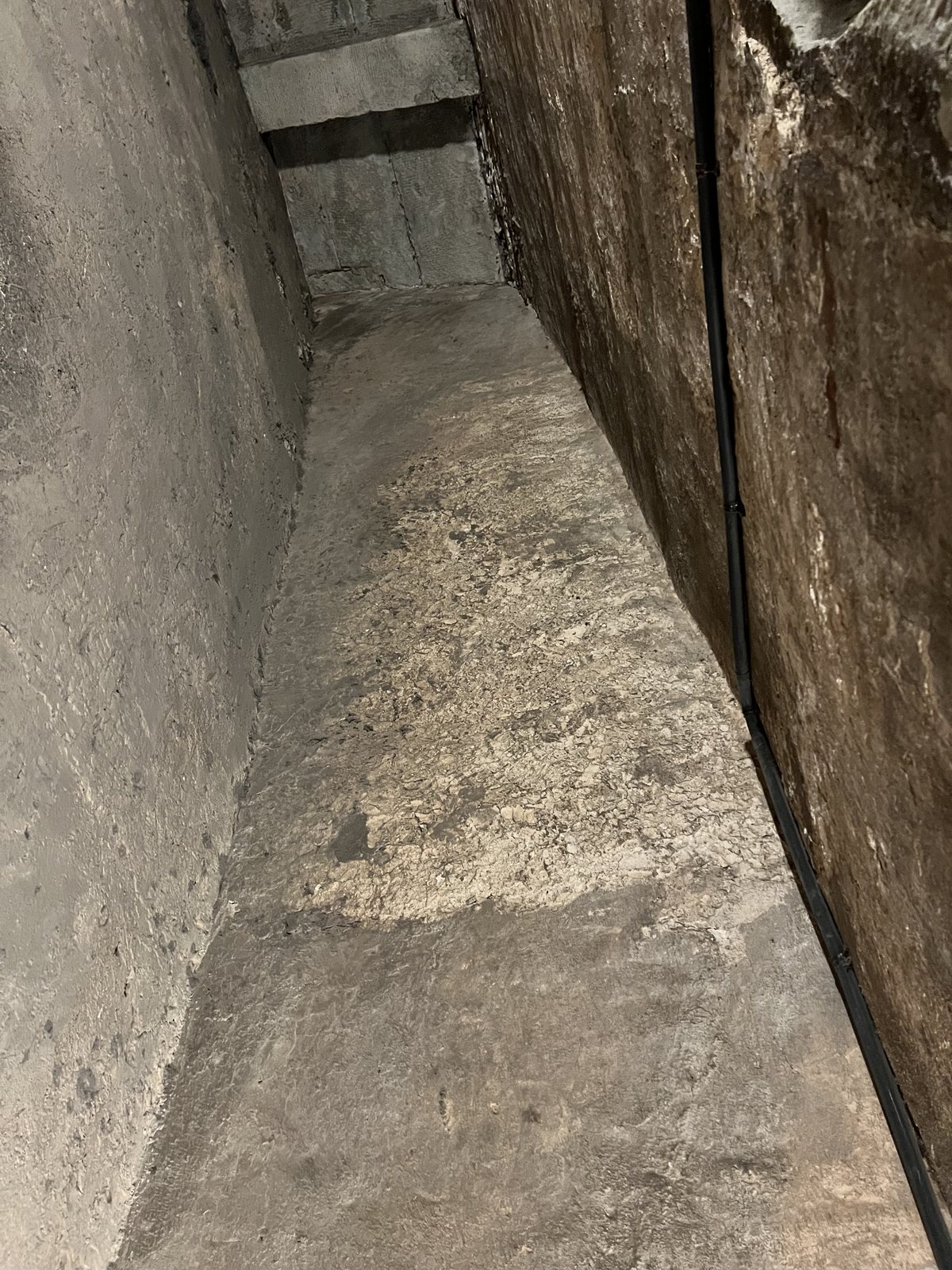
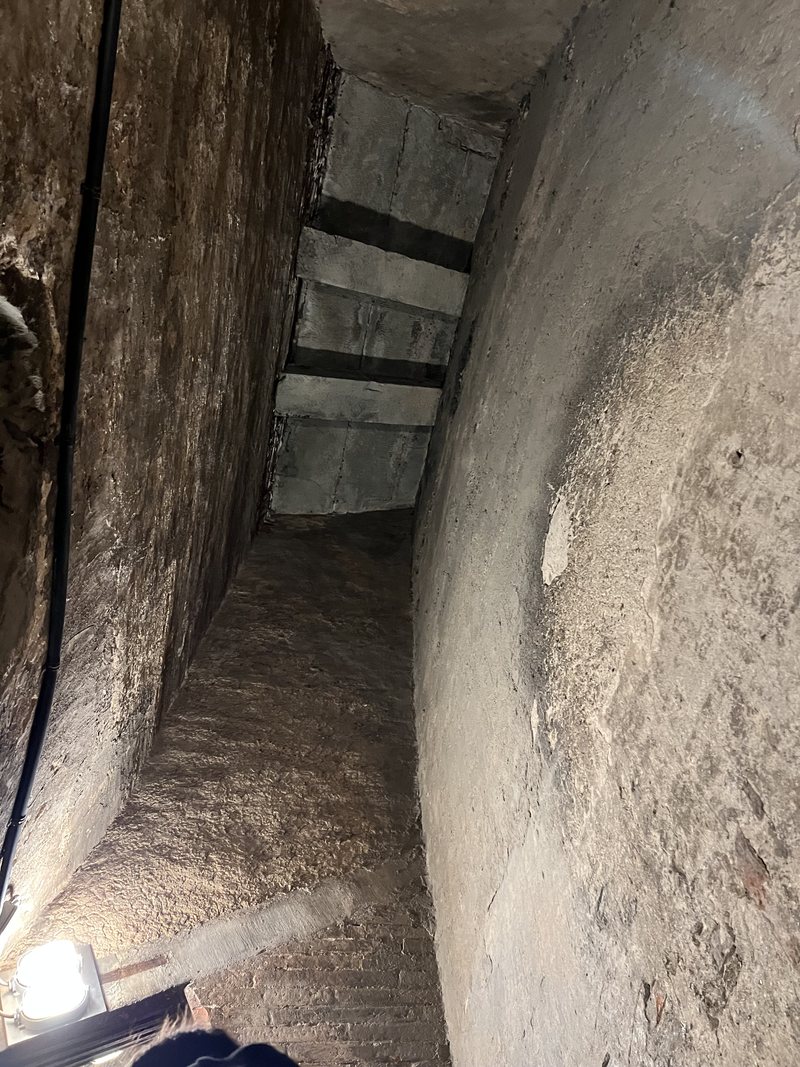
There are two domes, one inside the other, and the stair to the top runs in the gap between them. The brickwork at your shoulder is laid in a herringbone bond — spinapesce — that locks every course into the one below, so the shell could rise with no scaffolding underneath it at all. It is the reason the building exists, and almost nobody looks at it.

The gap itself: inner shell on one side, outer shell on the other
The gap itself: inner shell on one side, outer shell on the otherPhotograph by the author
90mTHE TERRACE
THE TERRACE

Base of the lantern

You come out onto the drum with the whole city underneath, and the argument of this site is visible in one look: everybody is standing in the same two hundred metres, and the good half of Florence is across the river and up the hill.

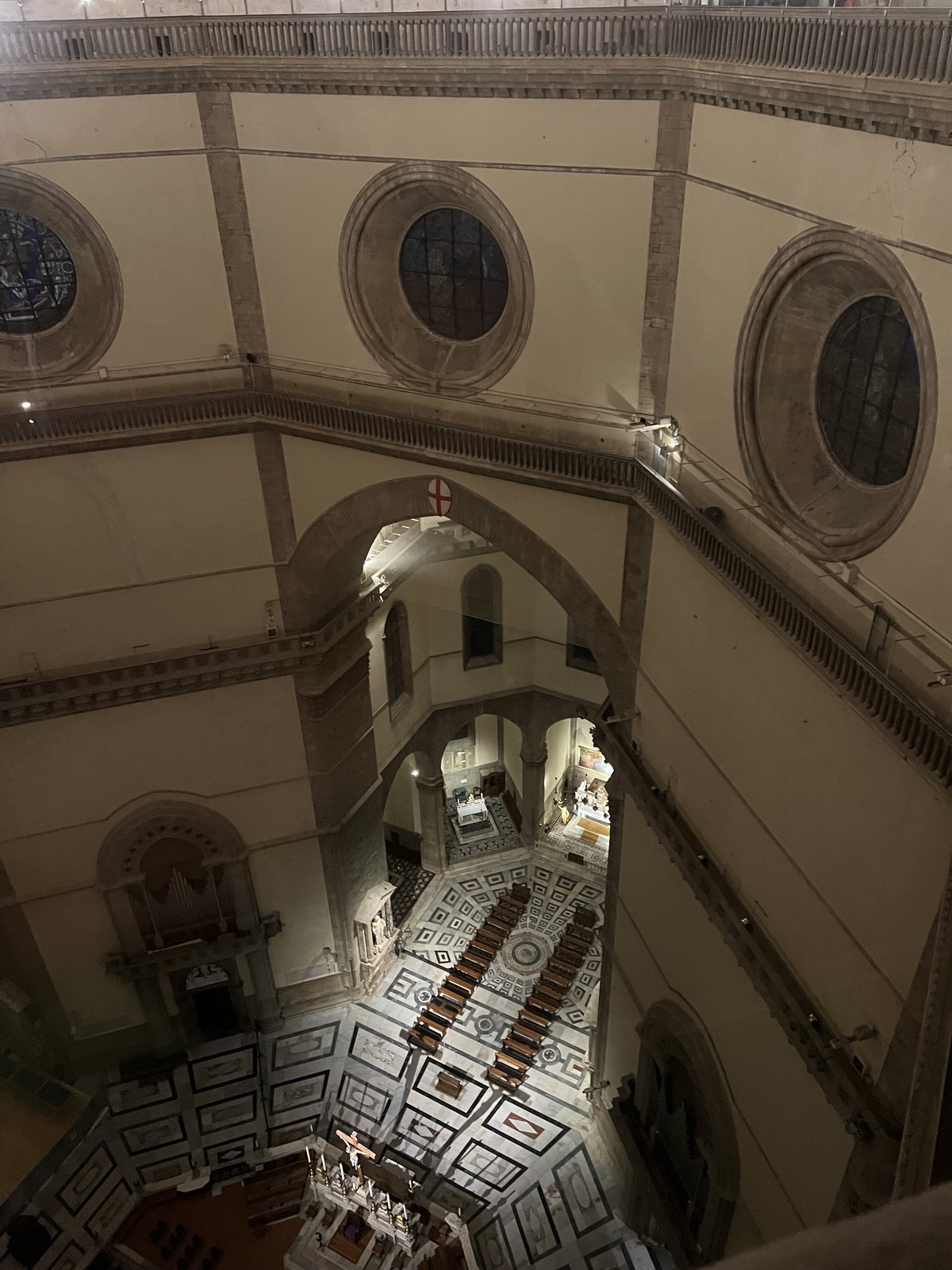
The inside of the drum, its round windows and the walkway
The inside of the drum, its round windows and the walkwayPhotograph by the author
114.5mTHE LANTERN
THE LANTERN

The top, and Tuscany opens

463 steps and there is nothing above you but Verrocchio's gilded ball. On a clear day you can see where the day trips go: Fiesole on its hill, the road south to Siena, and the hills running away west towards the sea.

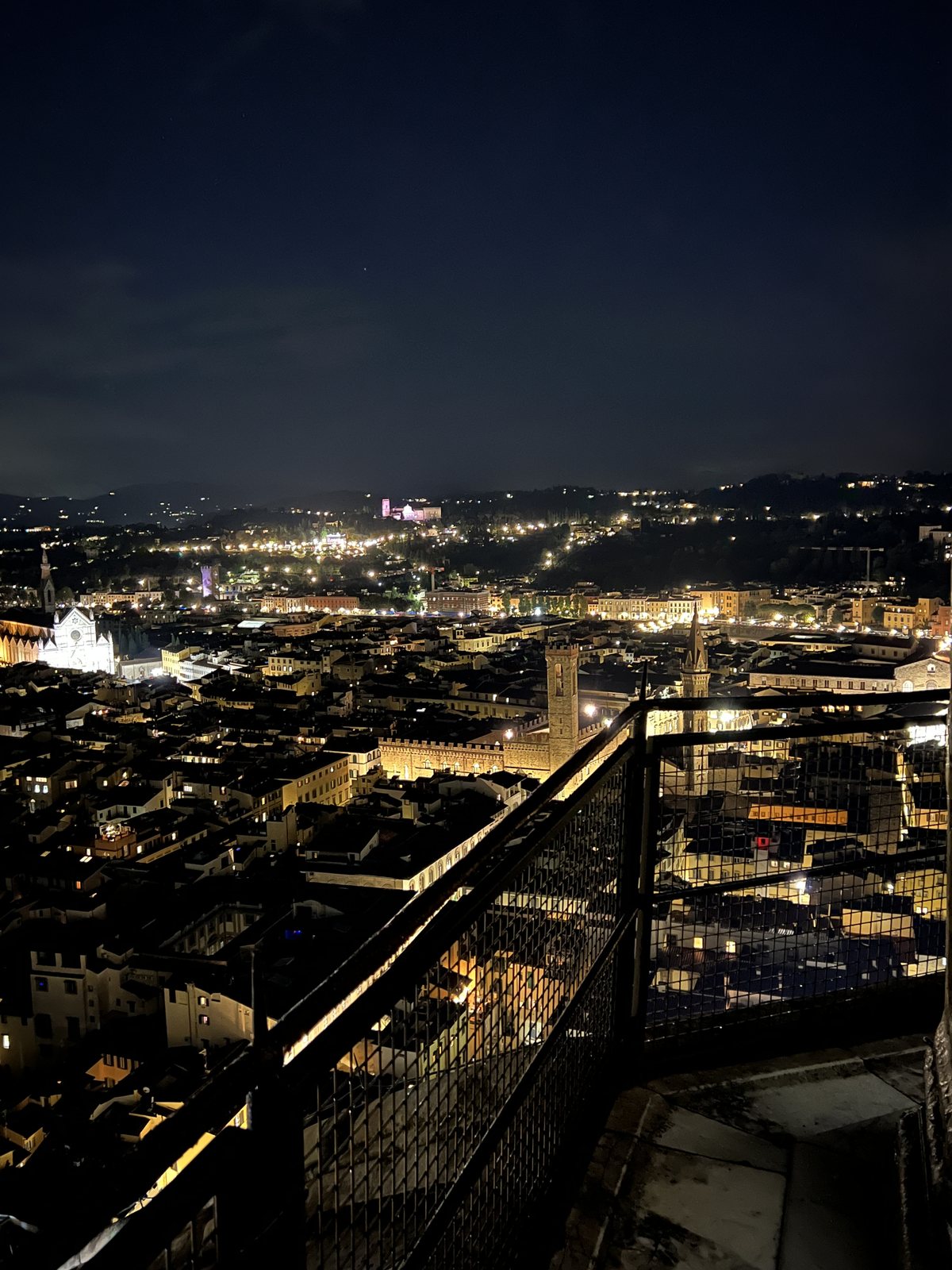
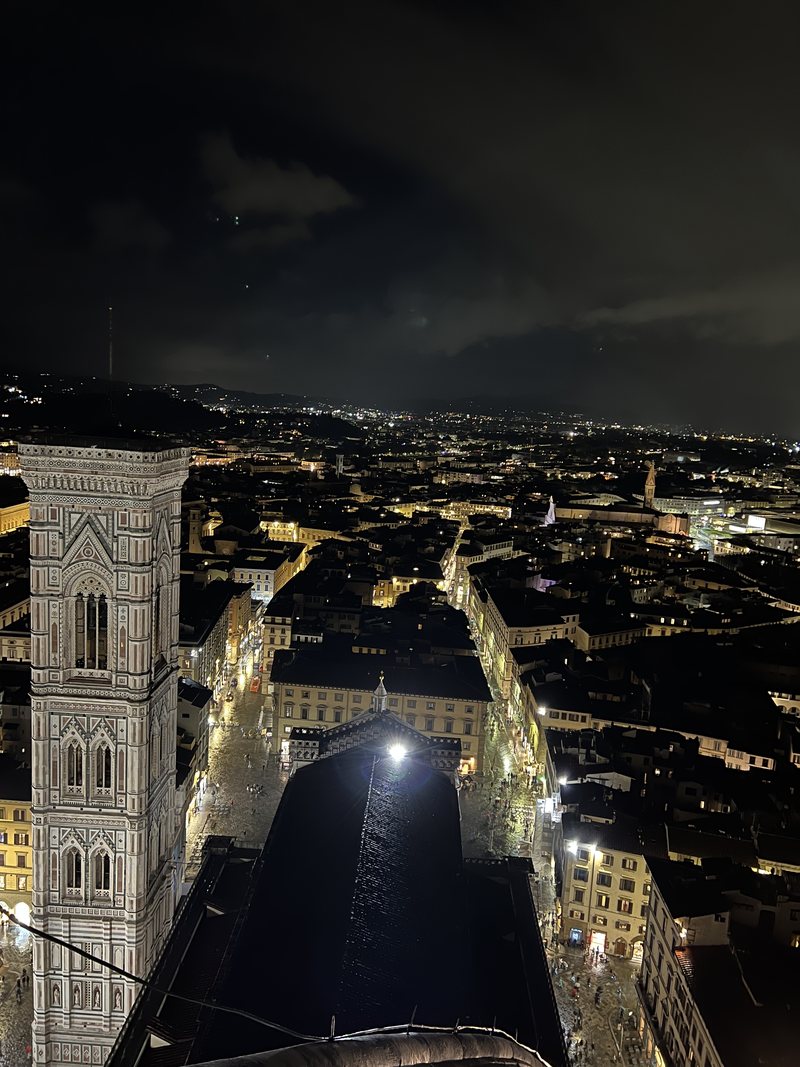
Florence at night from the top of the dome
Florence at night from the top of the domePhotograph by the author

Twenty-four sights, one page each

Each with the walking time from the Duomo — in a city this size that is the only distance that matters — and what it costs to get in, if anything.

Florence, close up

Photographs taken on the ground, including the sequence from inside the wall of the dome.

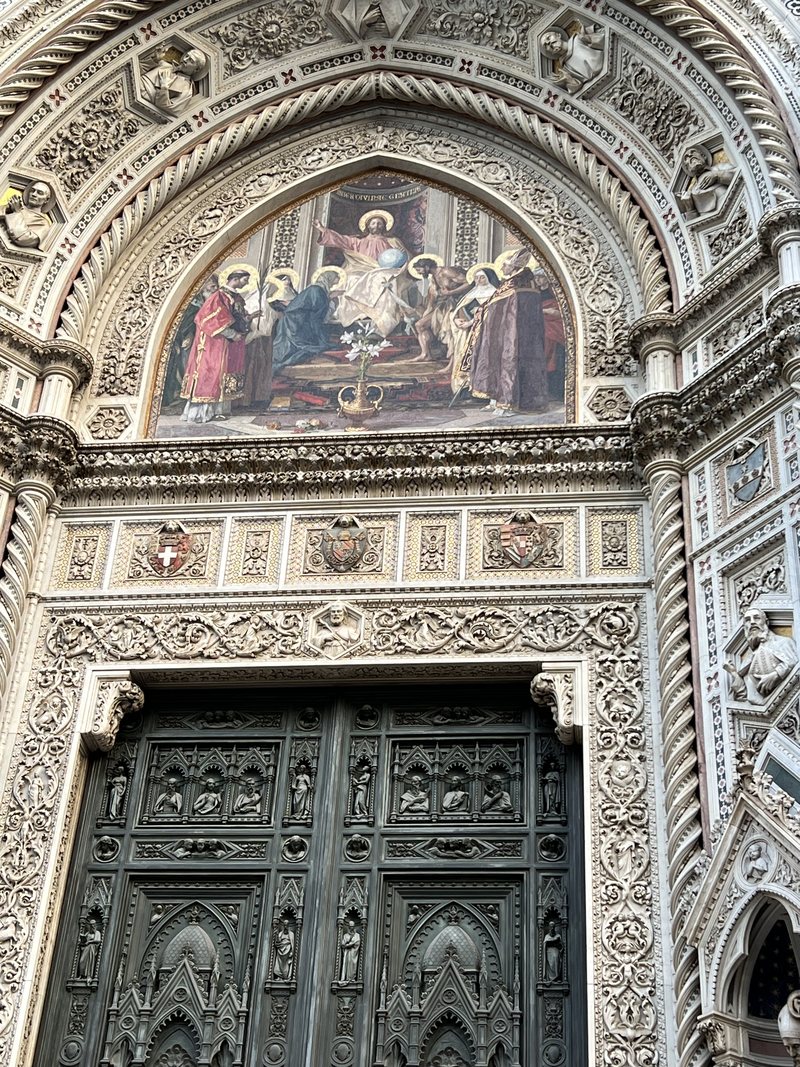
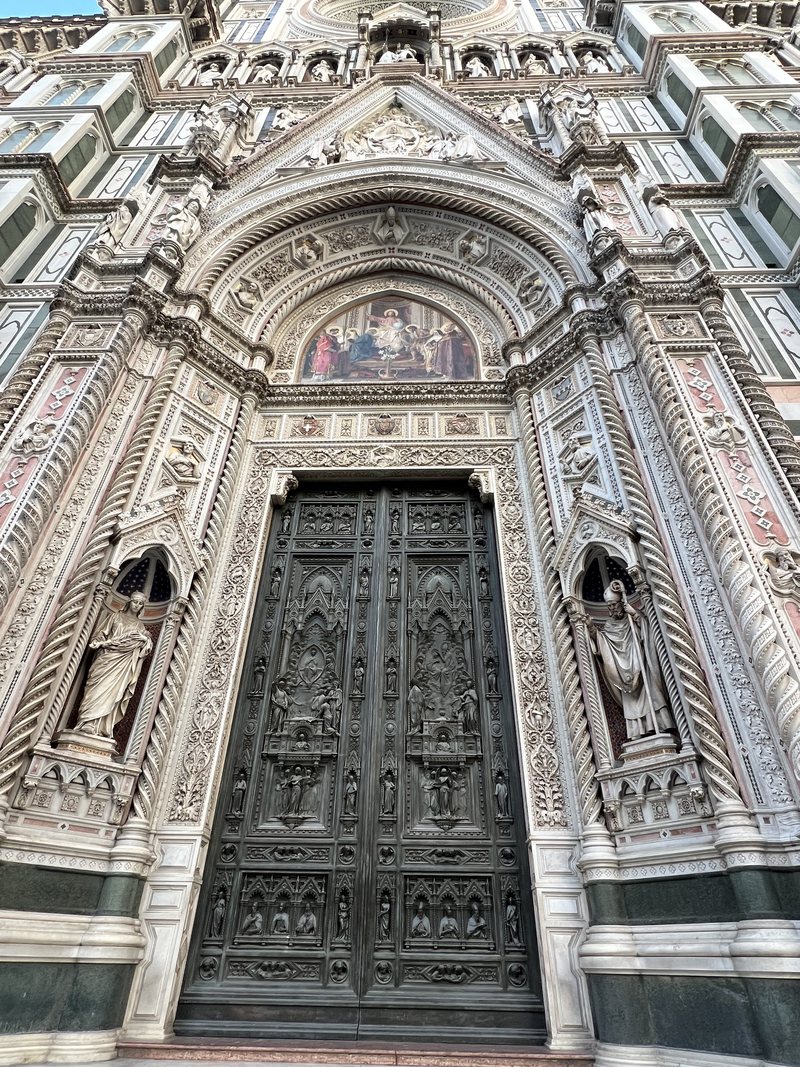
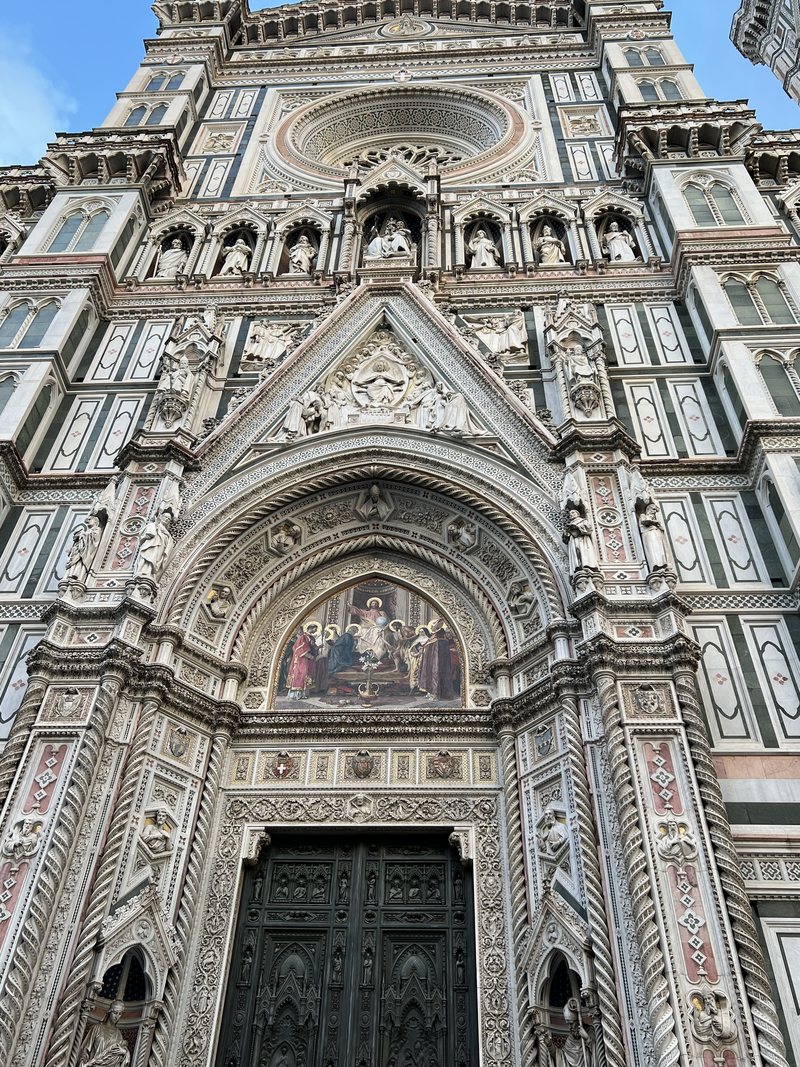
The mosaic lunette above the central door
The mosaic lunette above the central doorPhotograph by the author
The passage between the two shells, with the stair rising through it
The passage between the two shells, with the stair rising through itPhotograph by the author
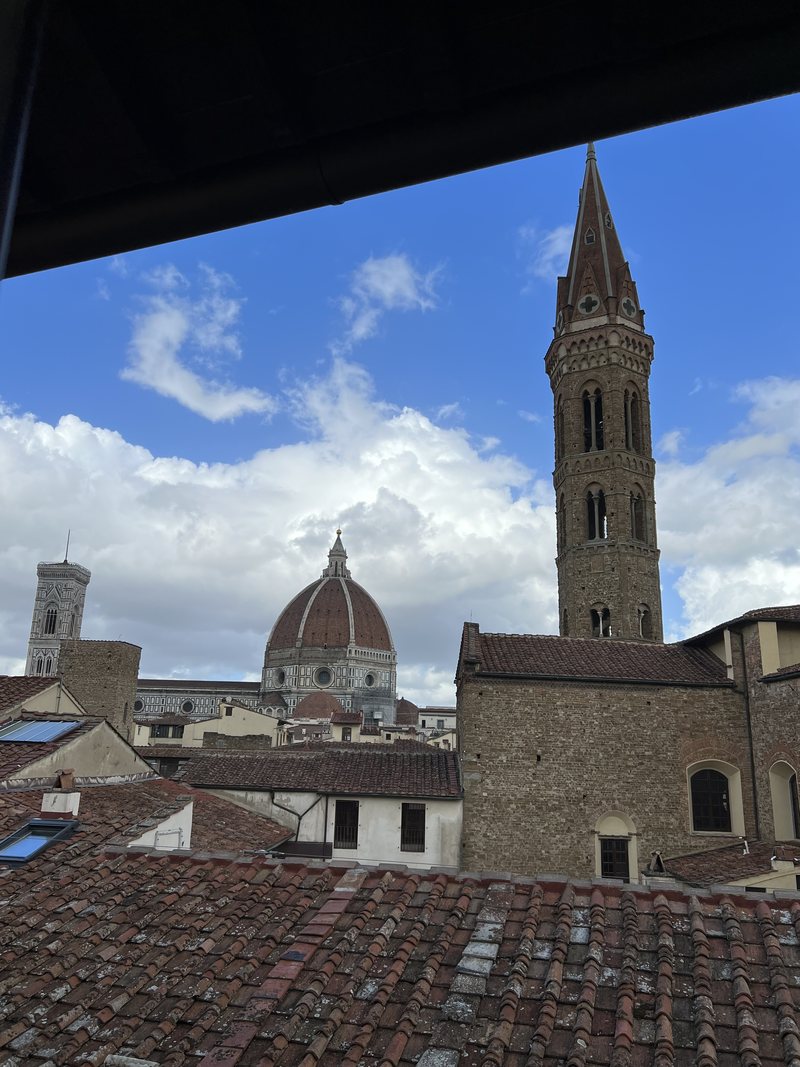
Brunelleschi's dome across the roofs of the old centre
Brunelleschi's dome across the roofs of the old centrePhotograph by the author
A bronze door between its flanking saints
A bronze door between its flanking saintsPhotograph by the author
Giotto's campanile lit, from the lantern
Giotto's campanile lit, from the lanternPhotograph by the author
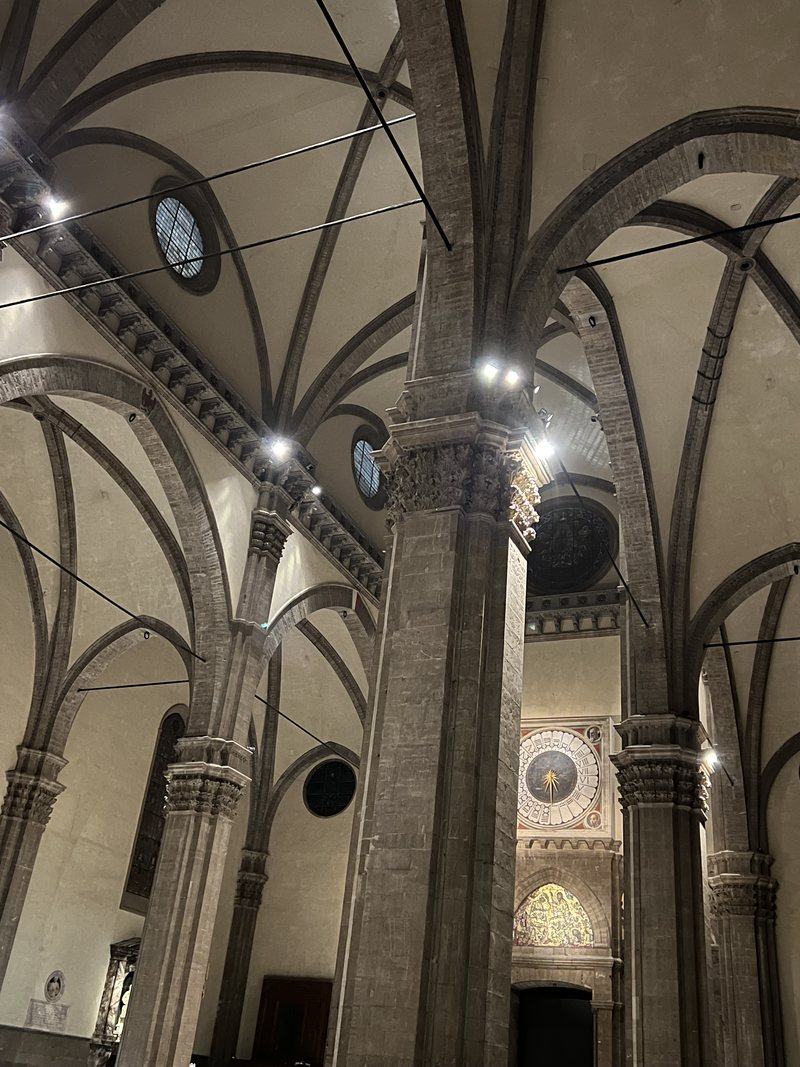
Pietra serena piers and the vaults of the nave
Pietra serena piers and the vaults of the navePhotograph by the author
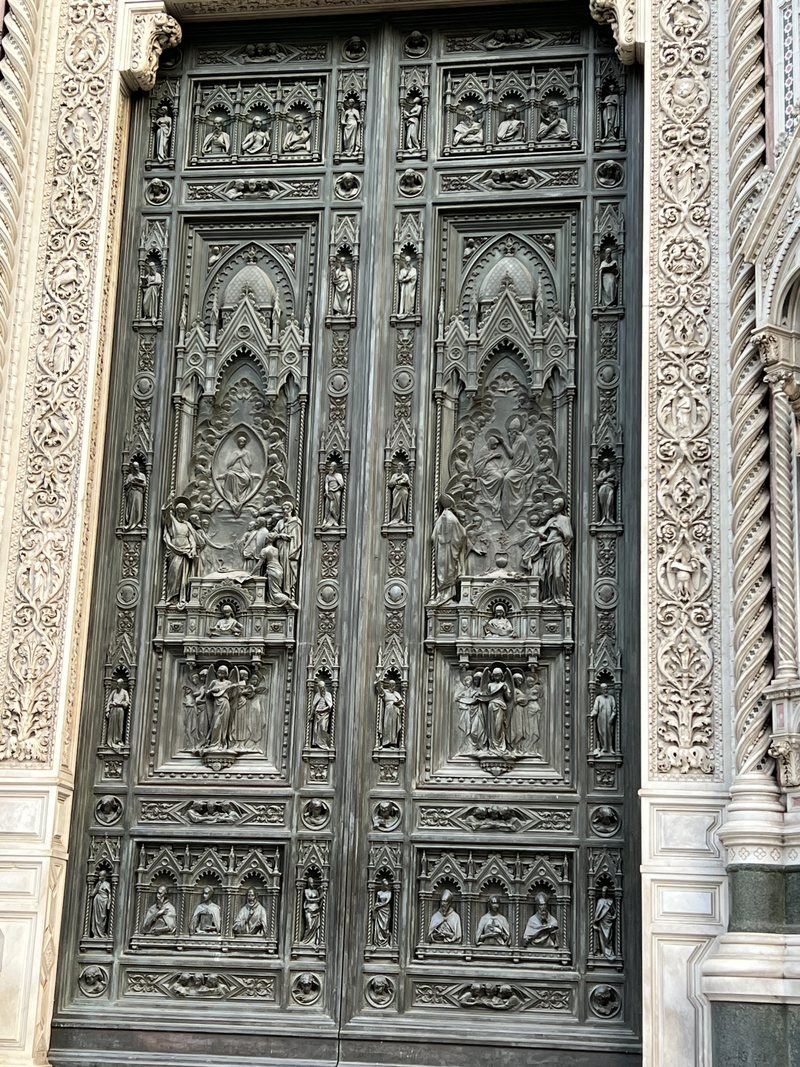
The bronze doors in full
The bronze doors in fullPhotograph by the author
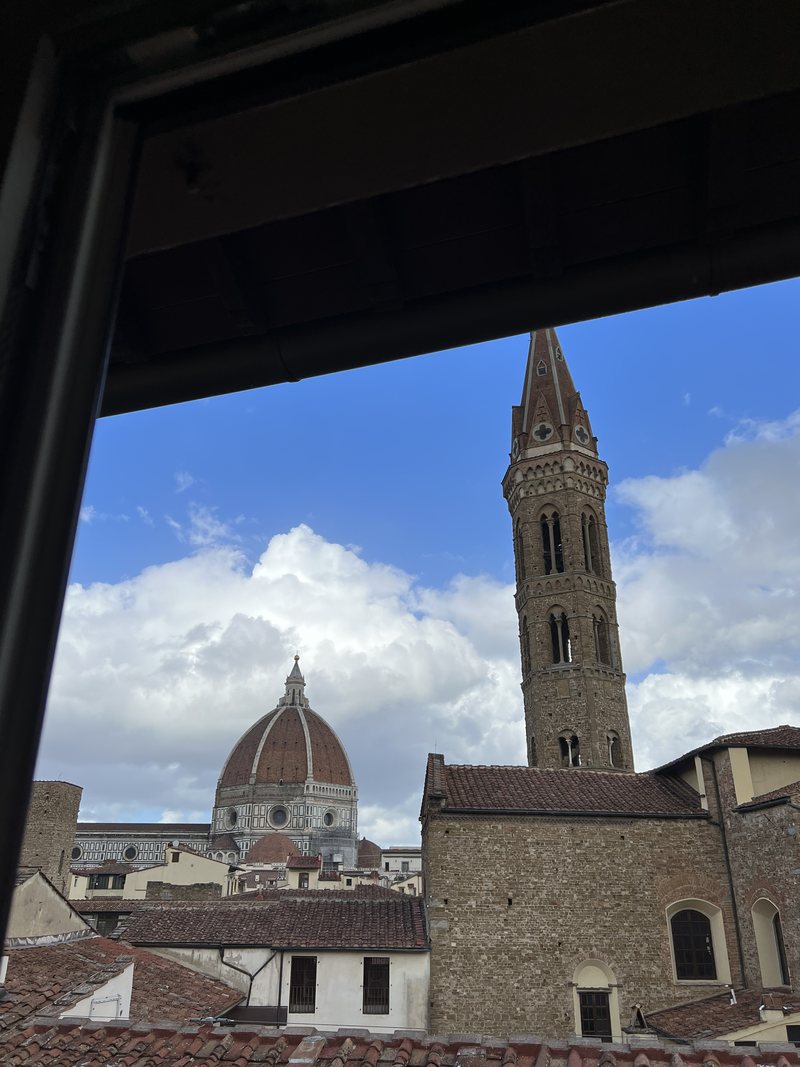
The dome and the Badia's campanile from the bell tower walkway
The dome and the Badia's campanile from the bell-tower walkwayPhotograph by the author
Dante and his eagle, Piazza Santa Croce
Dante and his eagle, Piazza Santa CrocePhotograph by the author
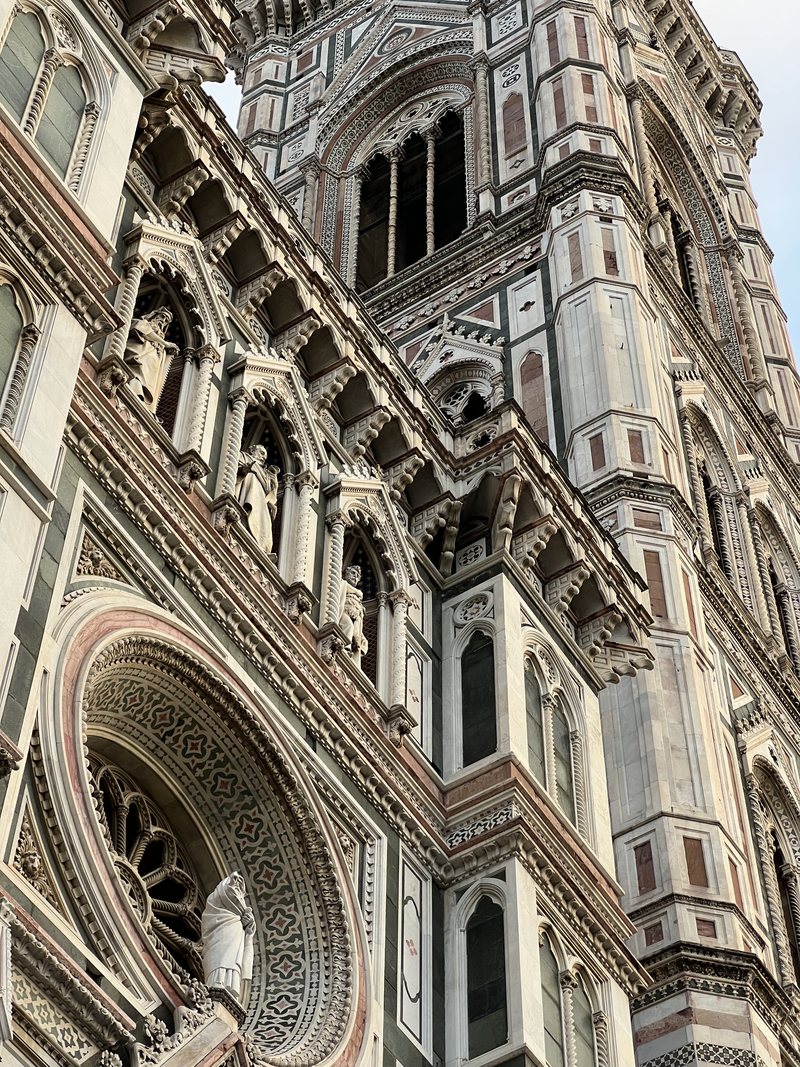
Marble panelling where the facade meets the campanile
Marble panelling where the facade meets the campanilePhotograph by the author
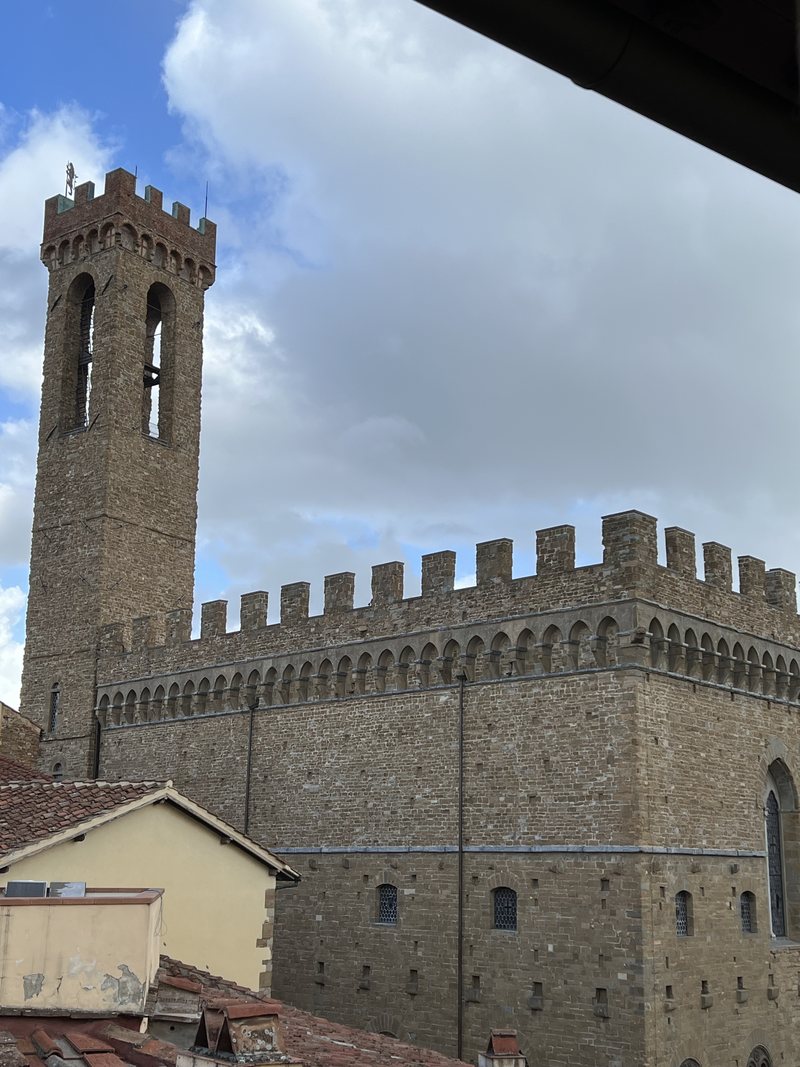
The Bargello's crenellated tower from above
The Bargello's crenellated tower from abovePhotograph by the author
The central portal and the rose window above it
The central portal and the rose window above itPhotograph by the author