The republic of the friar
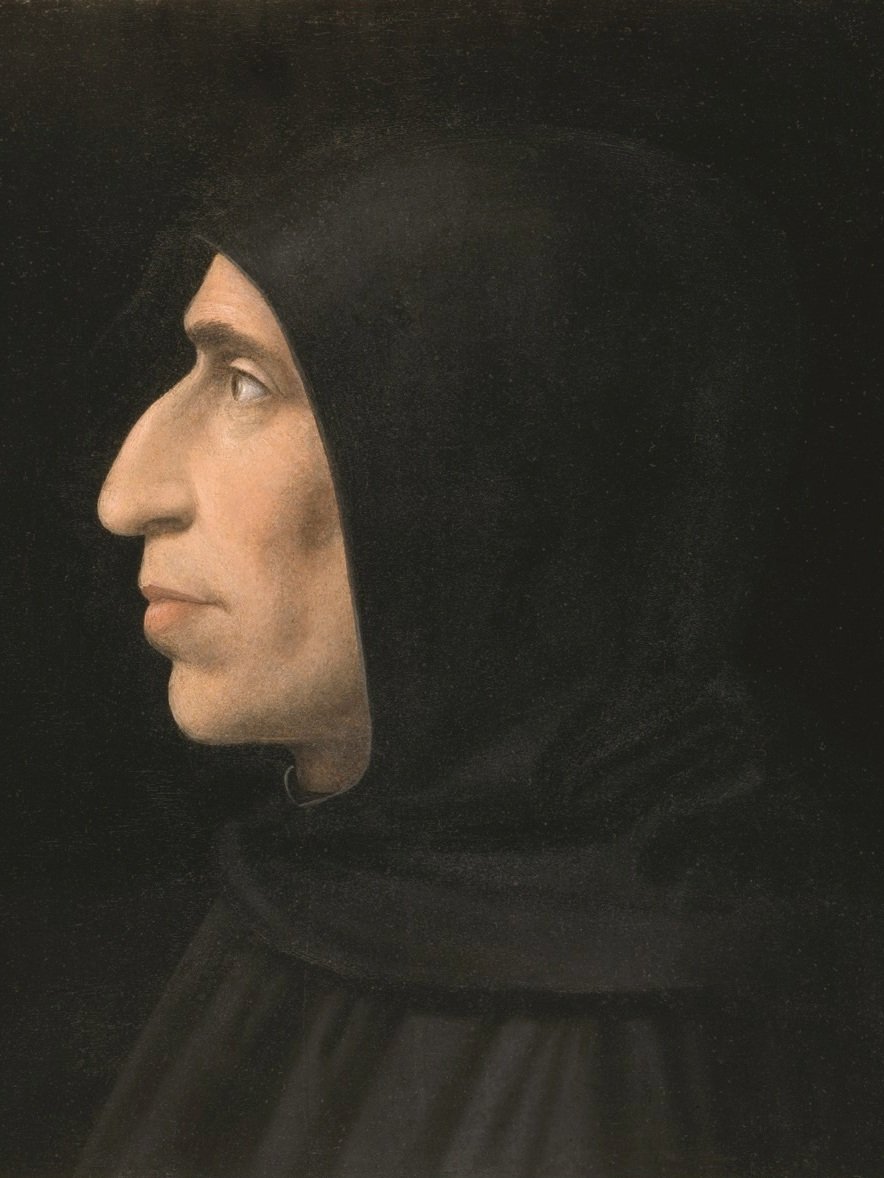
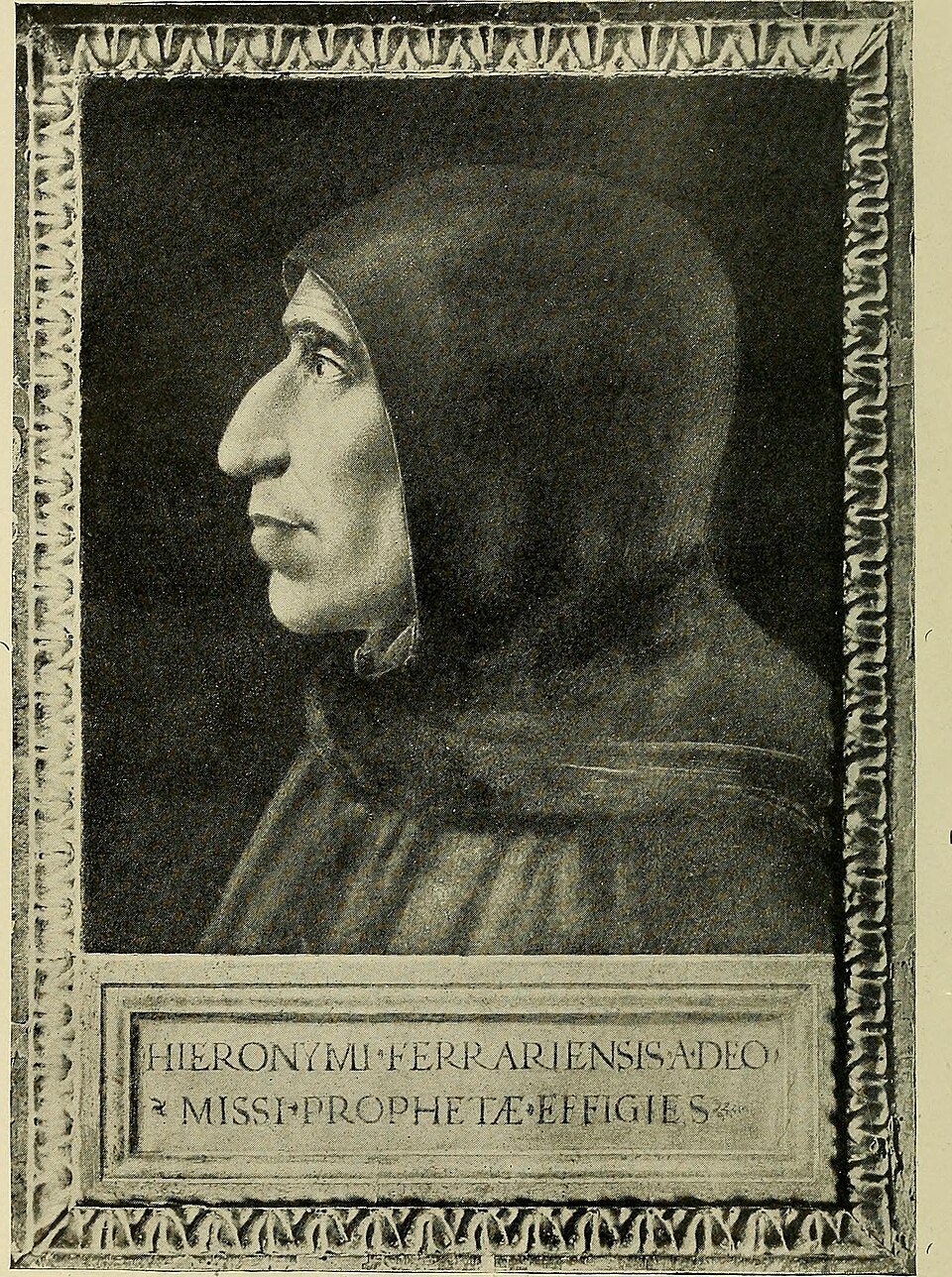
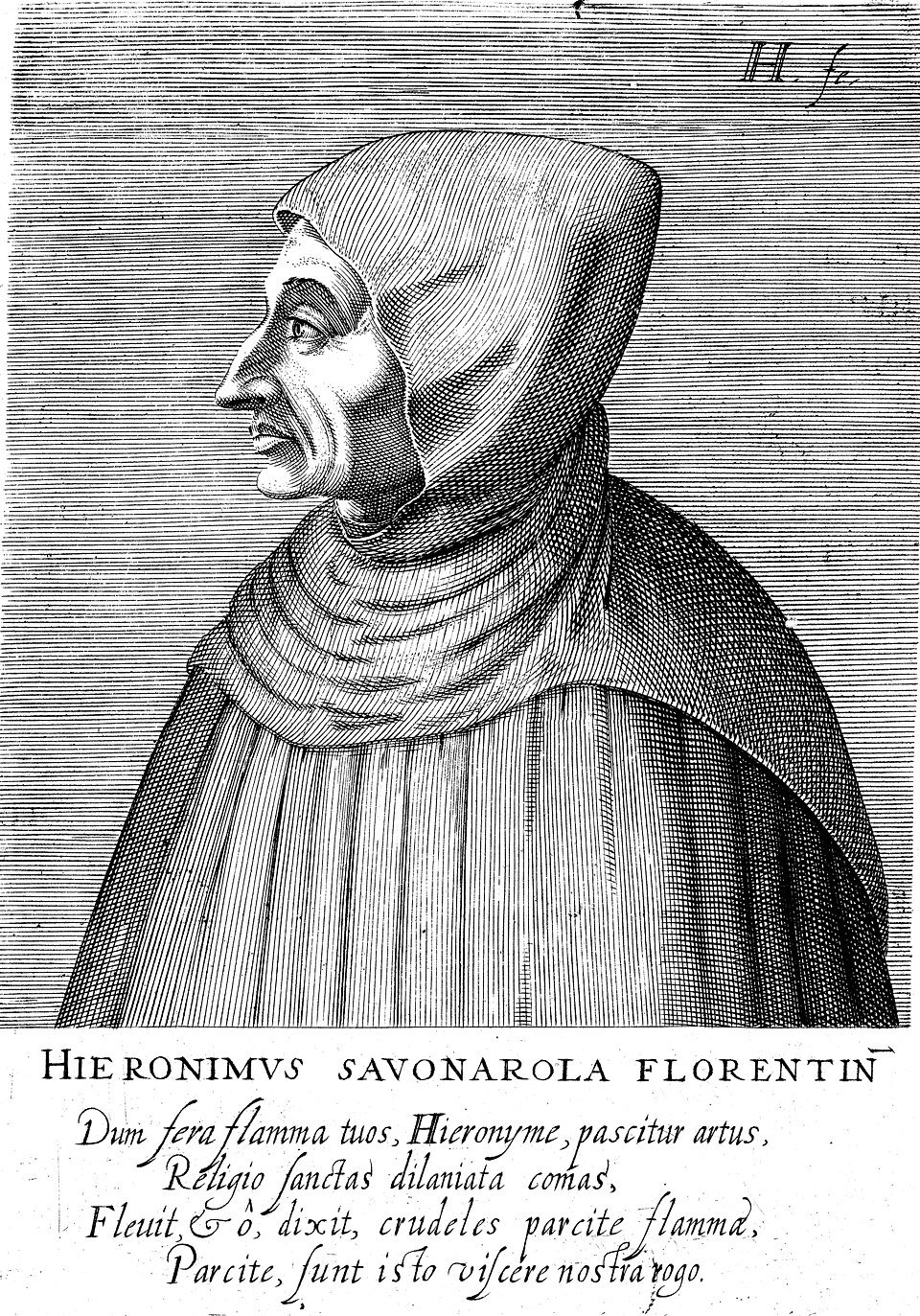
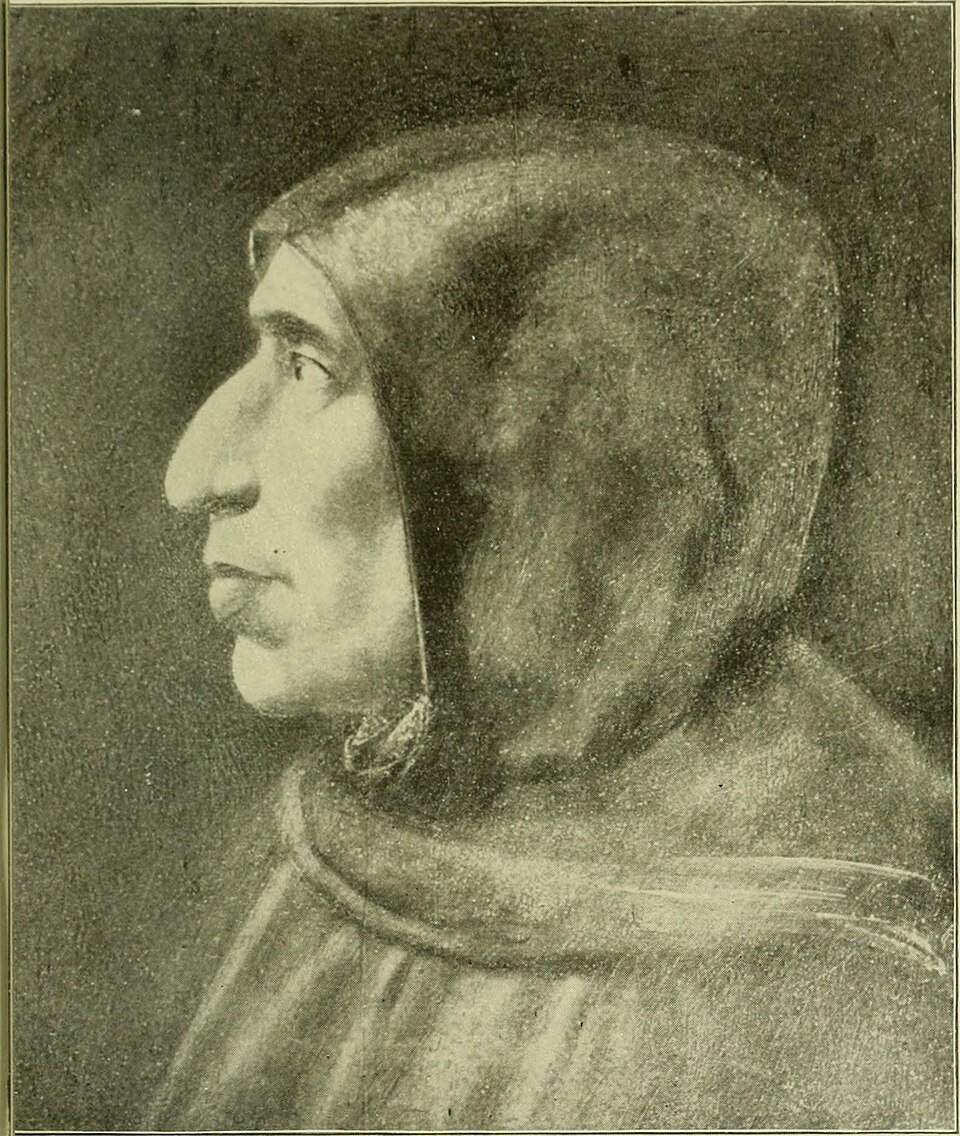
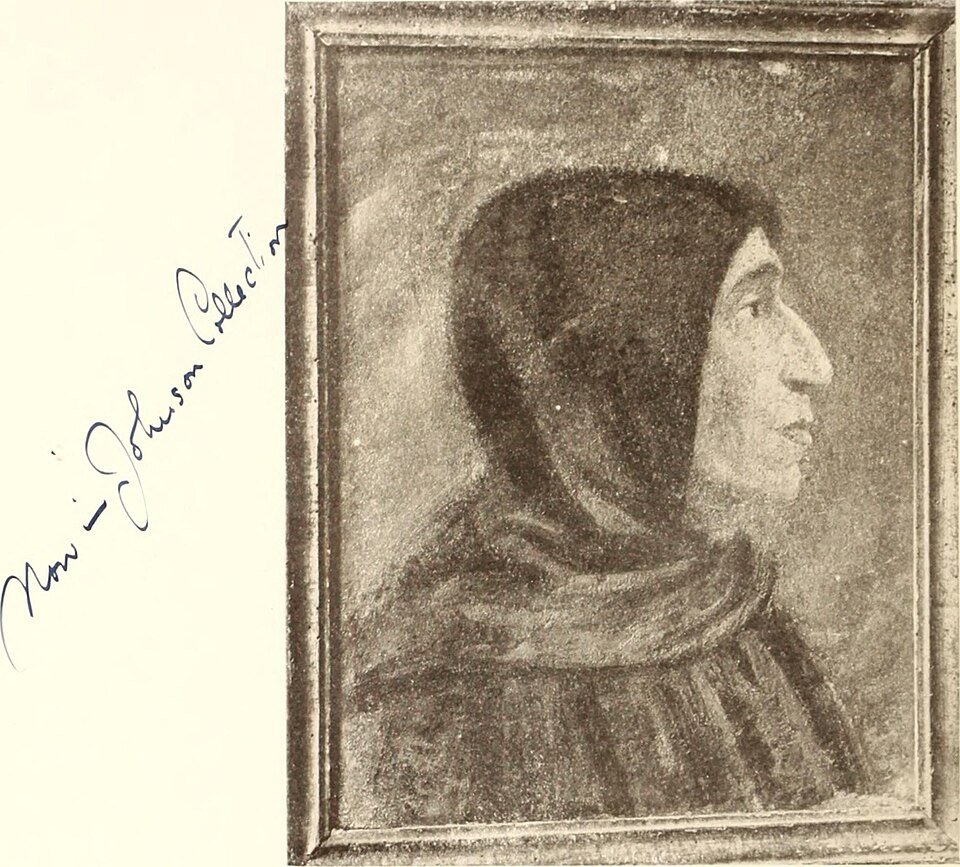
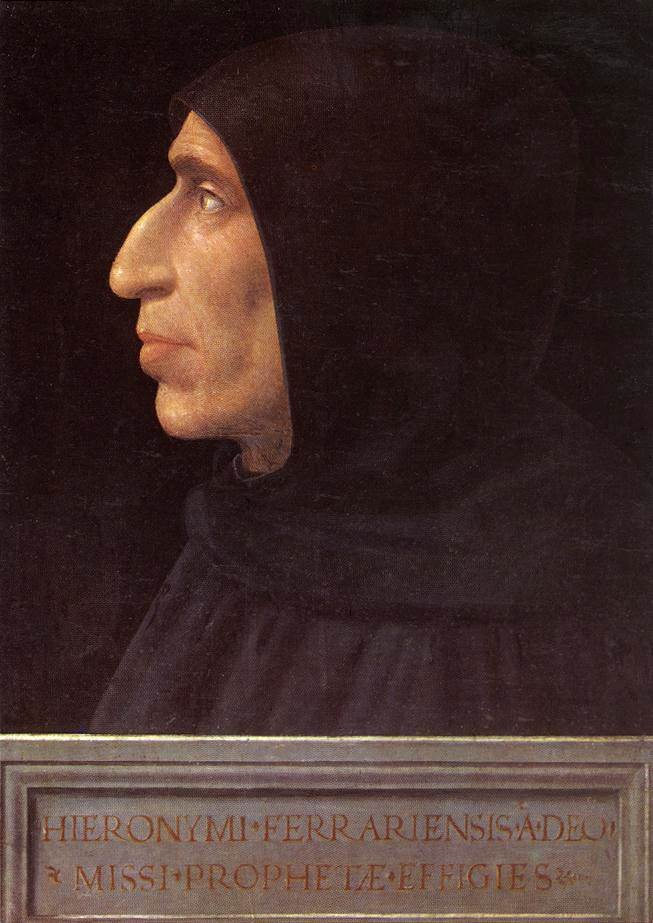
Savonarola was a Dominican from Ferrara who became prior of San Marco — the convent the Medici had paid to rebuild. He preached that Florence was corrupt, that judgement was coming, and that the city could be the new Jerusalem if it repented. Enormous crowds came to hear him.
When the French invaded in 1494 and the Medici were expelled, his prediction appeared to have come true and he became the moral authority of the restored republic. For about four years Florence ran on his terms: sumptuary laws, bands of children collecting vanities from houses, and a government that took his sermons as policy.
The Bonfire of the Vanities
In 1497, in Piazza della Signoria, his followers built a great pyre and burned what they had collected: mirrors, cosmetics, fine dresses, playing cards and gaming tables, musical instruments, books, and paintings and poetry judged immoral. Some Florentines gave up their own possessions willingly.
It is the event his name is attached to, and it lasted one afternoon. The reaction to it lasted longer.
⭐ The tile in the square
The Pope excommunicated him. A rival order challenged him to an ordeal by fire in the same square; the trial collapsed in rain and argument, and the crowd that had believed him turned. He was arrested, tortured, tried, and condemned.
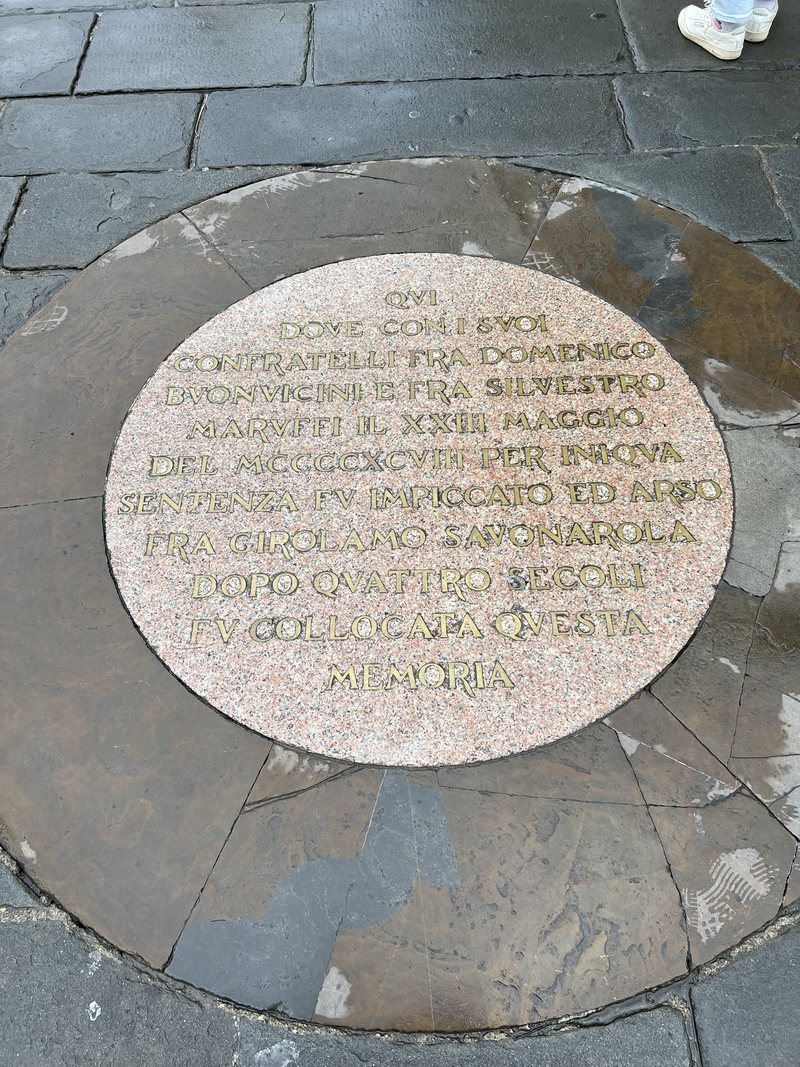
On the morning of 23 May 1498, in Piazza della Signoria — the square where the bonfire had been — Savonarola and two fellow friars, Fra Domenico Buonvicini and Fra Silvestro Maruffi, were hanged and their bodies burned. The ashes were thrown into the Arno so there could be no relics.
A round stone tile is set into the pavement on the spot. It names all three men, gives the date, and records that it was placed there four centuries later — by a city that had changed its mind again.
⚠️ Almost everyone in the square walks over it. It is between the Neptune fountain and the Palazzo, and once you know it is there you will not miss it.
He burned the city's vanities in that square in 1497. In 1498 the city burned him on the same stones.
Girolamo Savonarola in pictures