The job came first
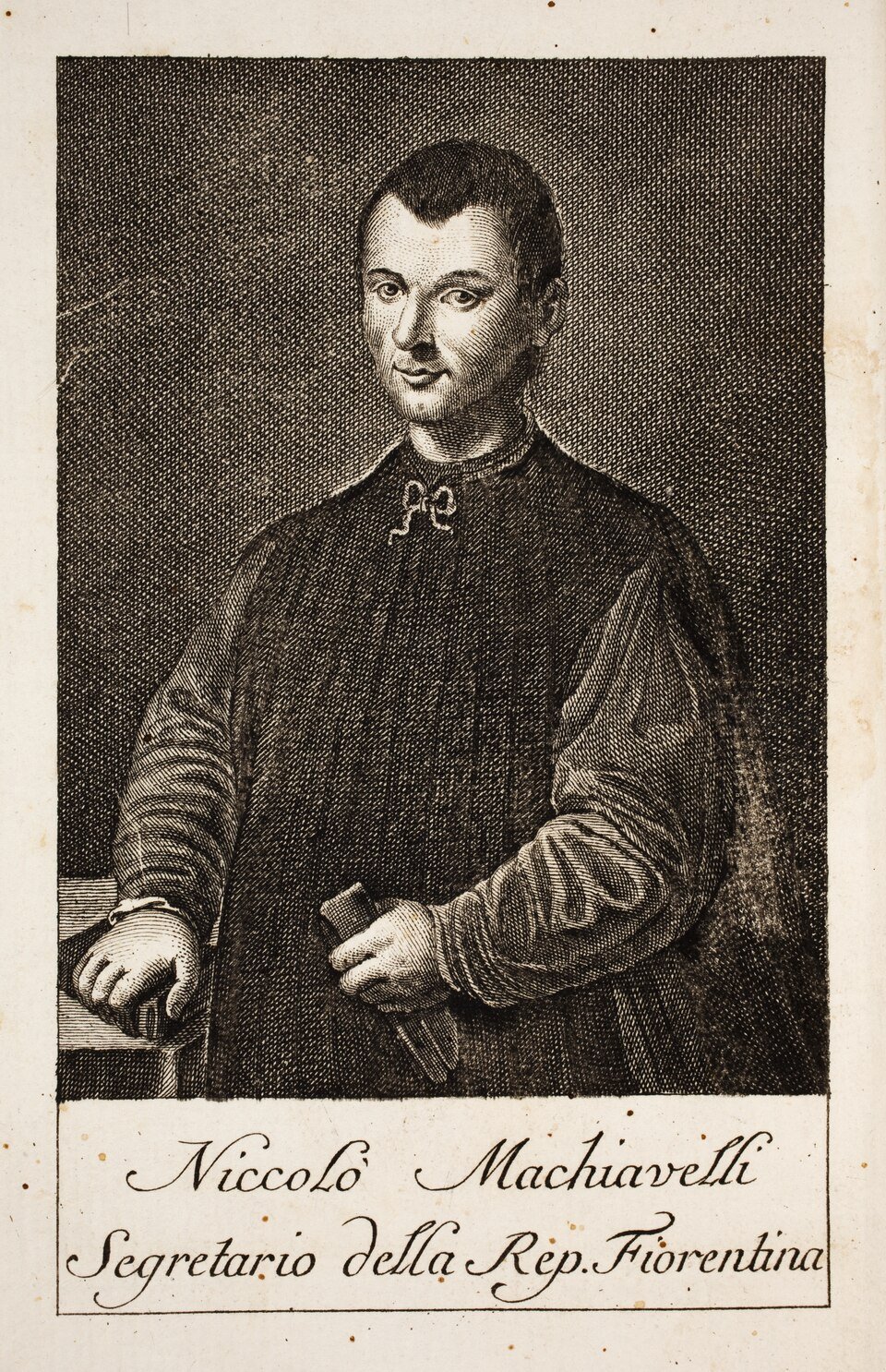
Machiavelli was not a philosopher by trade. He was a civil servant — secretary of the Second Chancery of the Florentine republic from 1498, the year Savonarola was burned, which tells you what kind of government he joined.
For fourteen years he ran diplomatic missions and military organisation for the republic. He watched Cesare Borgia at close range, negotiated with the King of France and the Emperor, and argued that Florence should stop hiring mercenaries and raise a militia of its own citizens. He got his militia. It was defeated.
Dismissal, rope, and a farm
In 1512 the republic fell and the Medici came back. Machiavelli was dismissed, and shortly afterwards accused of conspiracy, imprisoned and tortured — hung by the wrists from a rope with his arms behind him, which was the standard method. He was released and exiled to his small property at Sant'Andrea in Percussina, south of the city.
There, in 1513, unemployed and trying to get back into government, he wrote Il Principe — and dedicated it to a Medici. It was, among other things, a job application. It did not work.
What the book actually says
The Prince is short, cold and famous for the wrong reason. Its argument is not that cruelty is good; it is that a ruler who is judged by outcomes cannot always afford to act as a private person would, and that pretending otherwise gets people killed. He is describing how power behaves rather than how it ought to.
⚠️ His other major work, the Discourses on Livy, is a long argument for republics and is barely read at all, which is why the adjective made from his name means what it does.
He died in 1527 and is buried in Santa Croce, a few metres from Michelangelo and Galileo. The Latin on the monument says that no epitaph can match so great a name.
It was, among other things, a job application. It did not work.
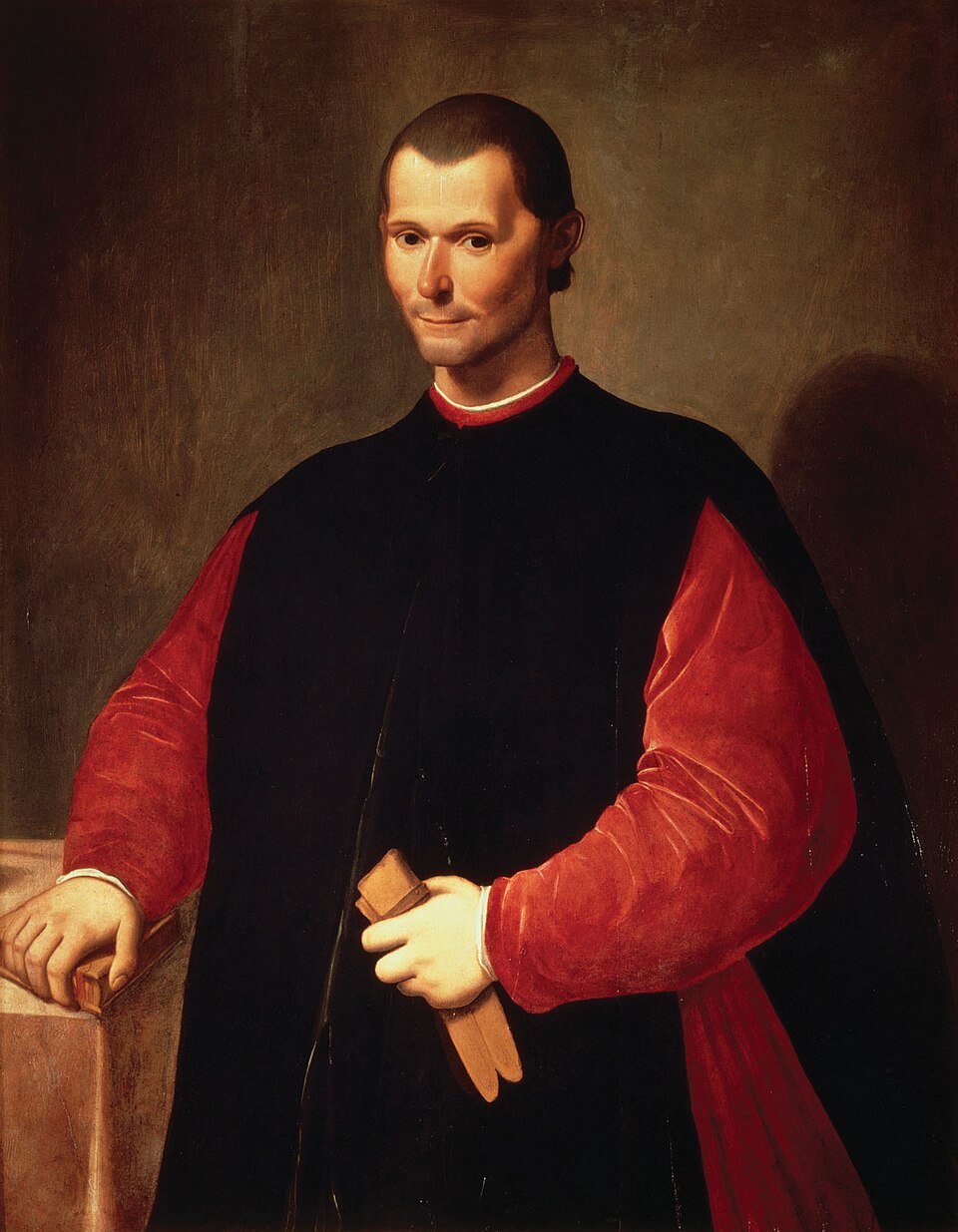
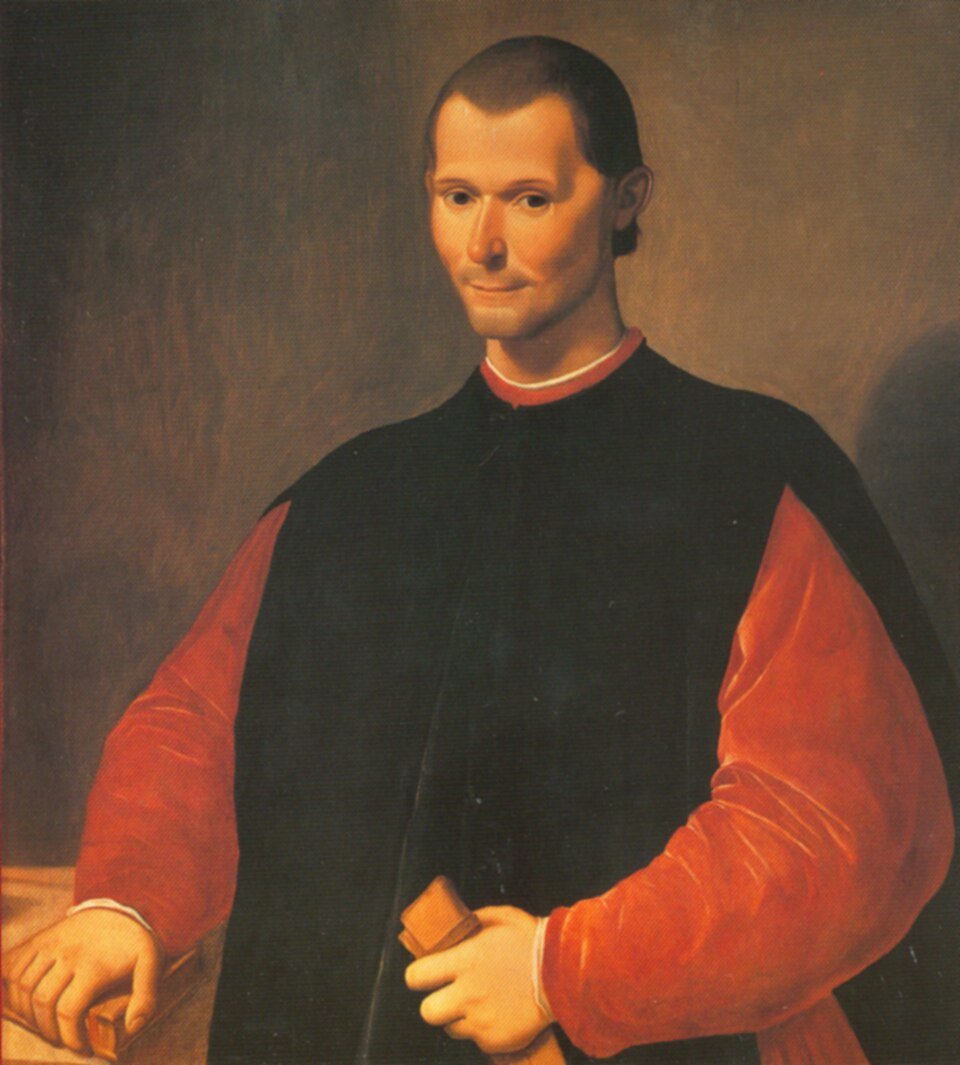
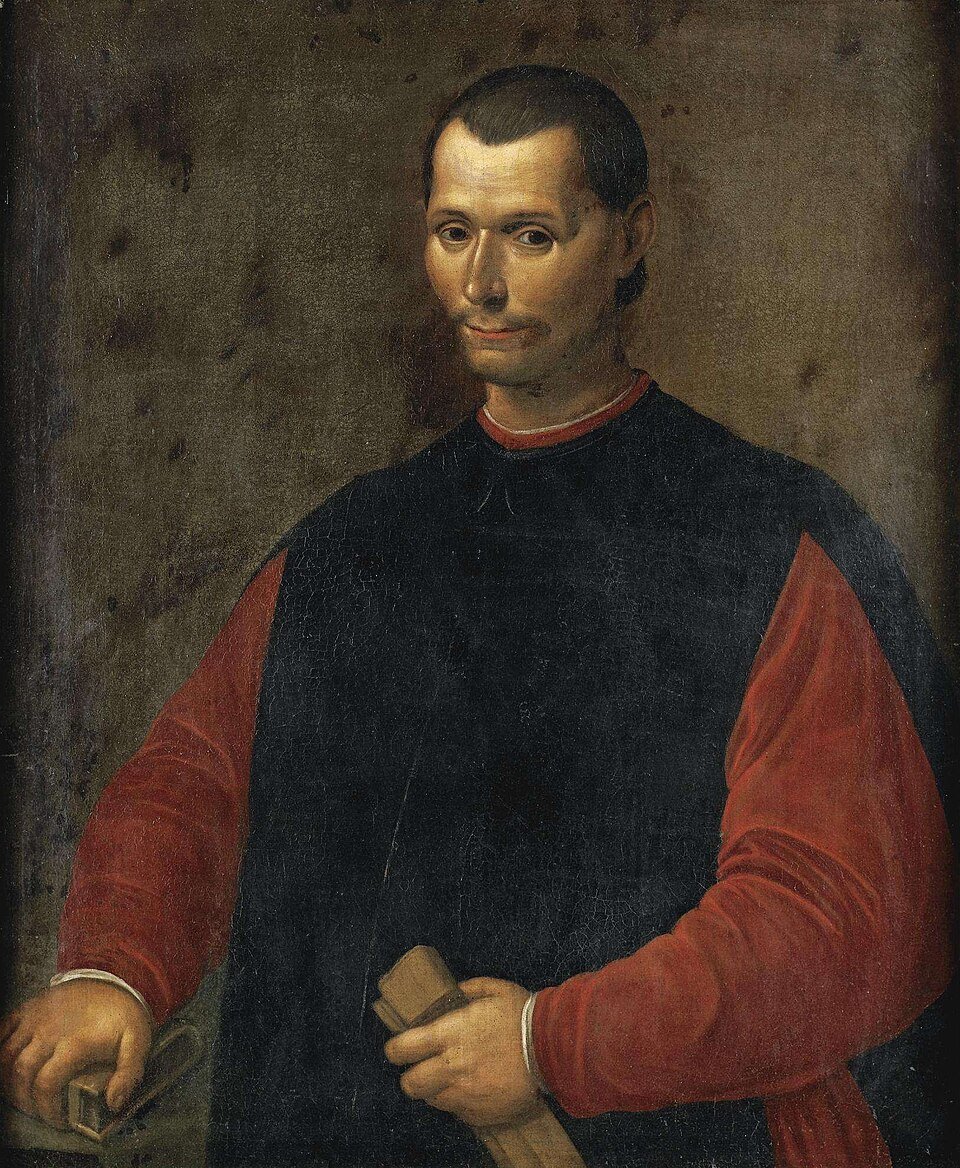
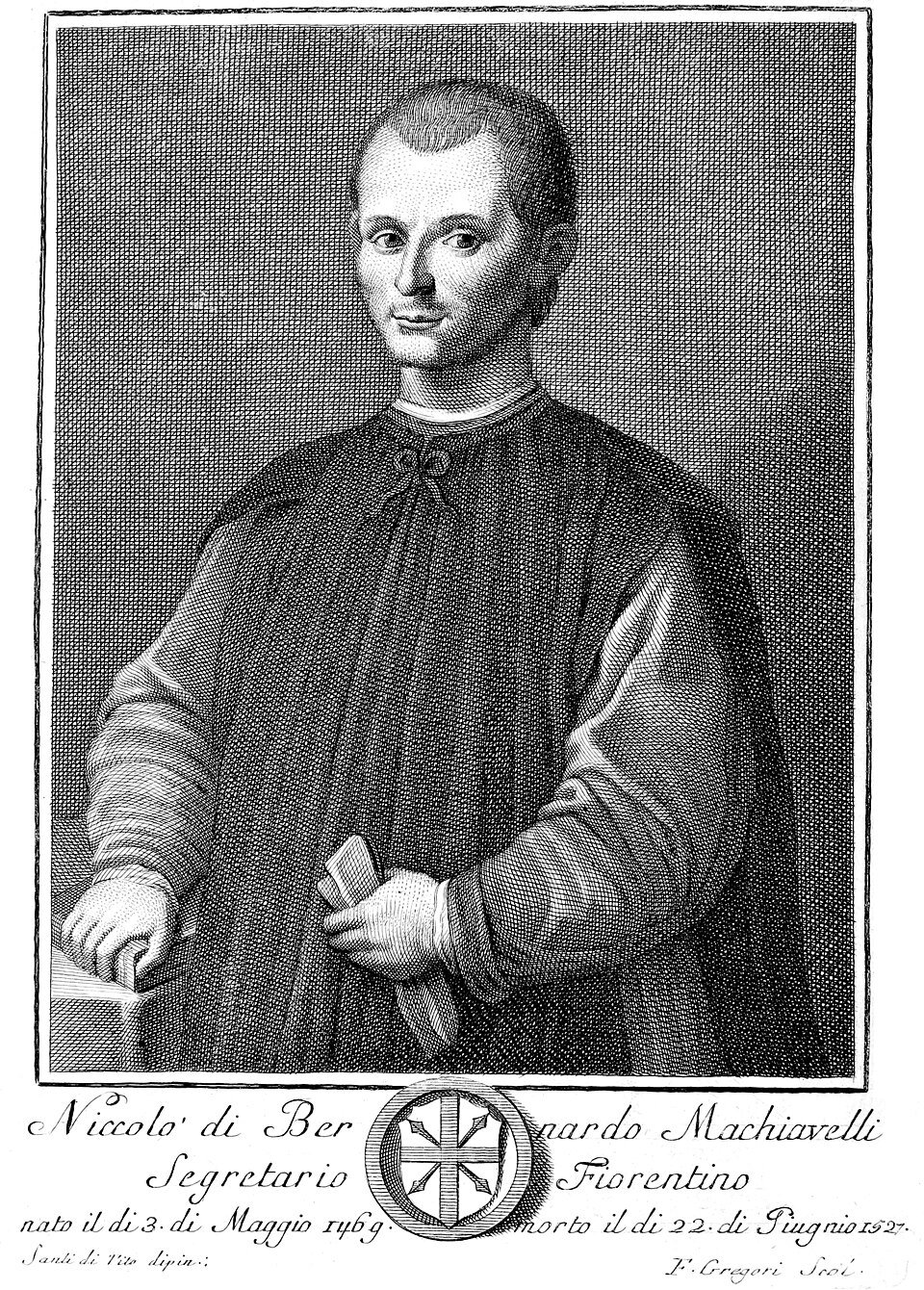
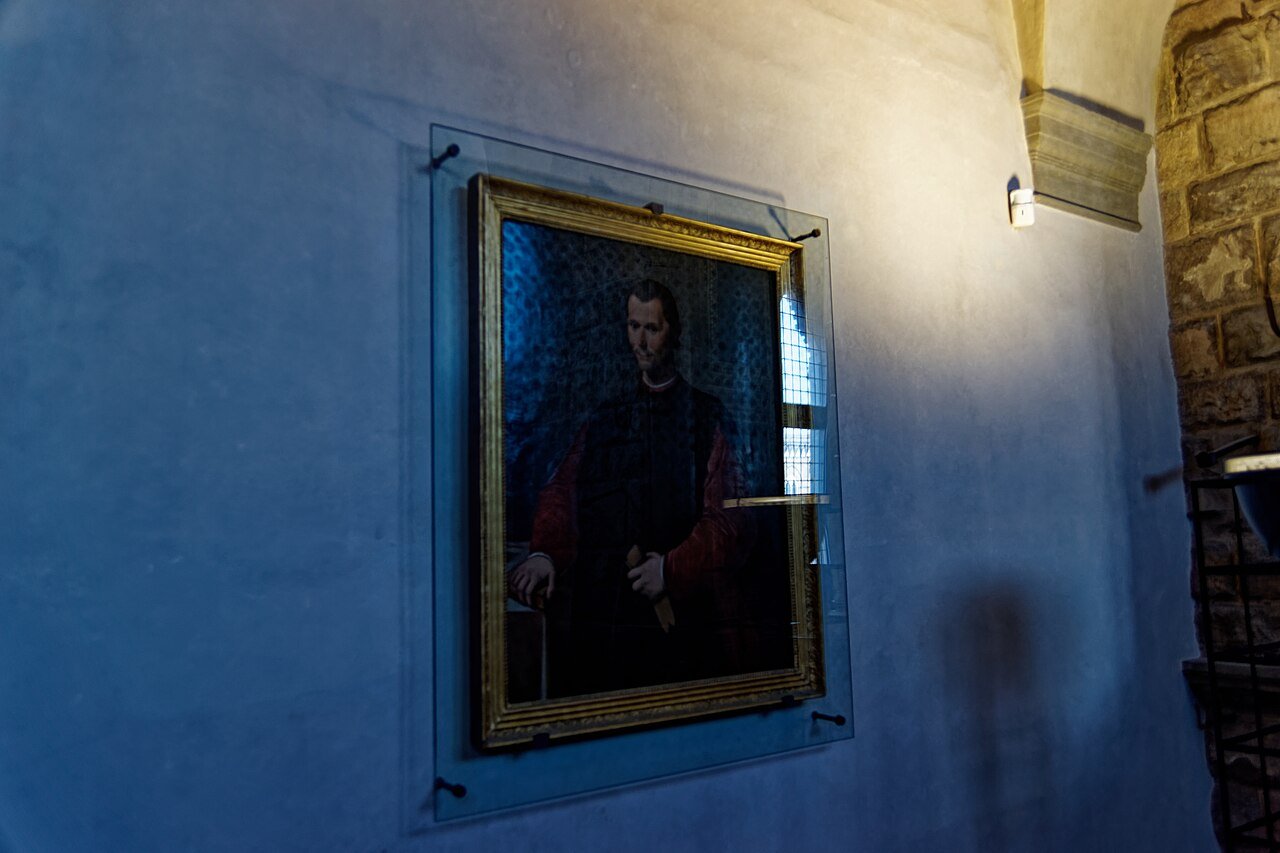
Niccolò Machiavelli in pictures