The markets, and their hours
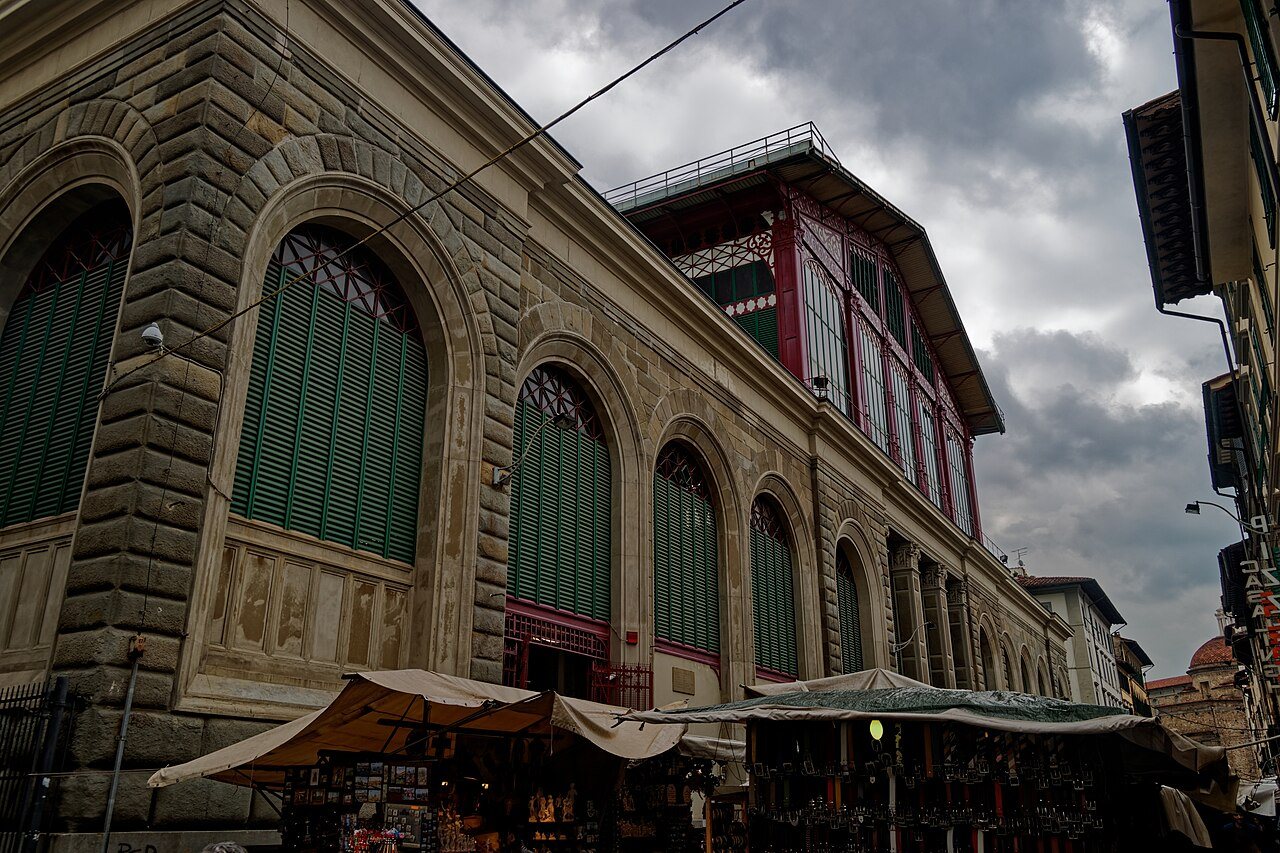
Mercato Centrale in San Lorenzo: ⚠️ the ground floor is the real market and finishes in the early afternoon; the upper floor is a modern food hall that stays open far later. Both are worth it, and they are not the same thing.
Sant'Ambrogio, east of the centre, is smaller and is where a good many Florentines actually shop. Mornings, Monday to Saturday.
Piazza Santo Spirito has a morning market across the river, and a flea market on certain days.
⭐ Come before lunch if you want a market rather than a food court.
Leather, gold and paper
The San Lorenzo street market around the Mercato Centrale is the leather one, and it is aimed squarely at visitors — quality ranges from real to nothing of the kind, and prices are negotiable. Worth knowing before you start bargaining.
The goldsmiths on the Ponte Vecchio have been there since 1593, when the Medici replaced the butchers and tanners because the smell reached the corridor they walked along above.
Marbled paper and bookbinding are a genuine Florentine craft and the workshops that still do it by hand are mostly across the river in the Oltrarno.
Where the real workshops are
⭐ If you want something made rather than sold, cross the river. San Frediano and the streets around Santo Spirito hold the gilders, framers, restorers and leatherworkers.
⚠️ Many are working premises rather than shops. Several close for a long lunch and most shut in August.
The Quadrilateral of designer shops around Via de' Tornabuoni is the other end of the trade entirely, and is what the city is better known for internationally.
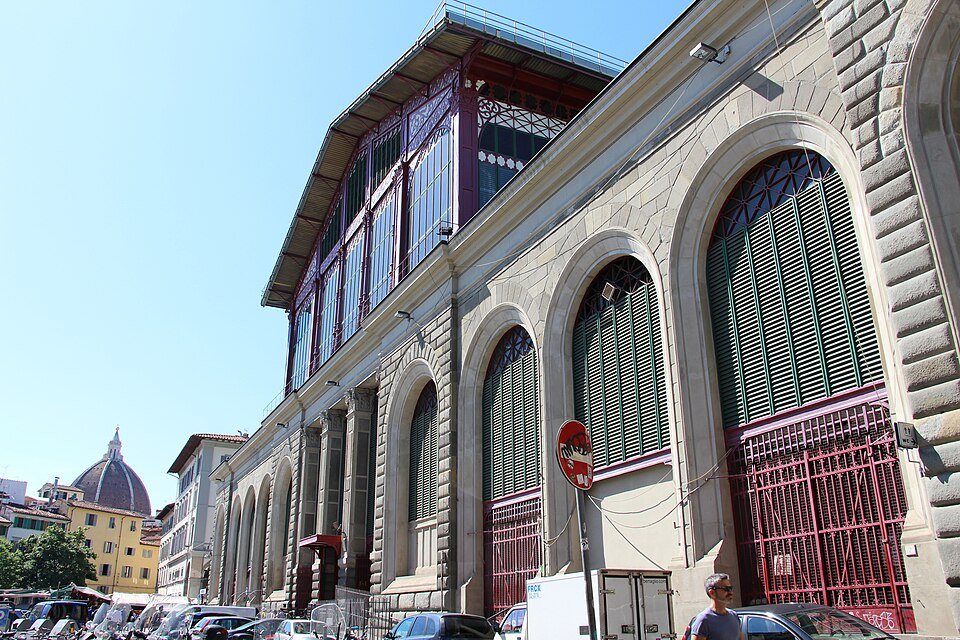 Mercato Centrale
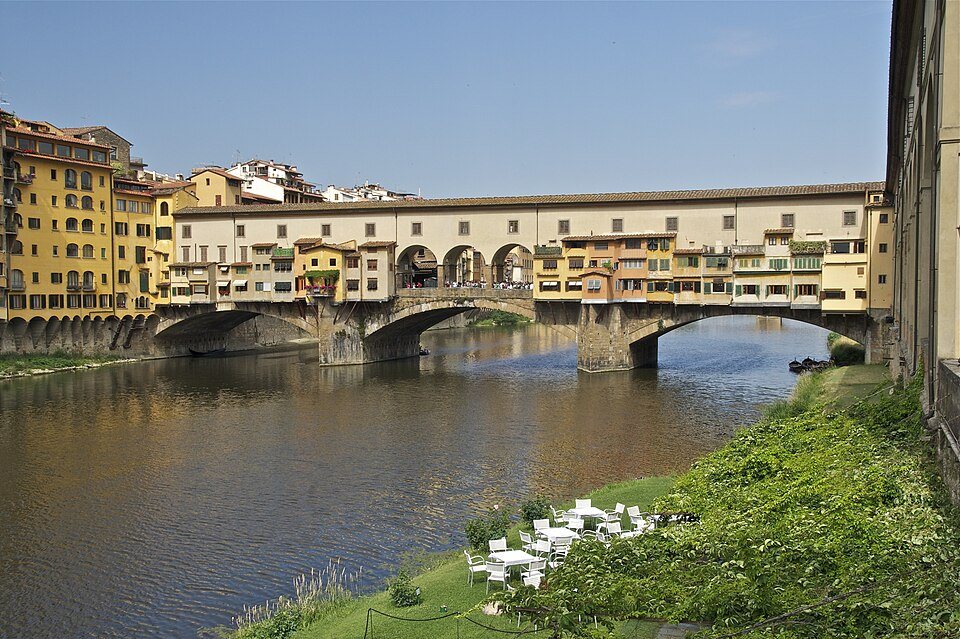 Ponte Vecchio
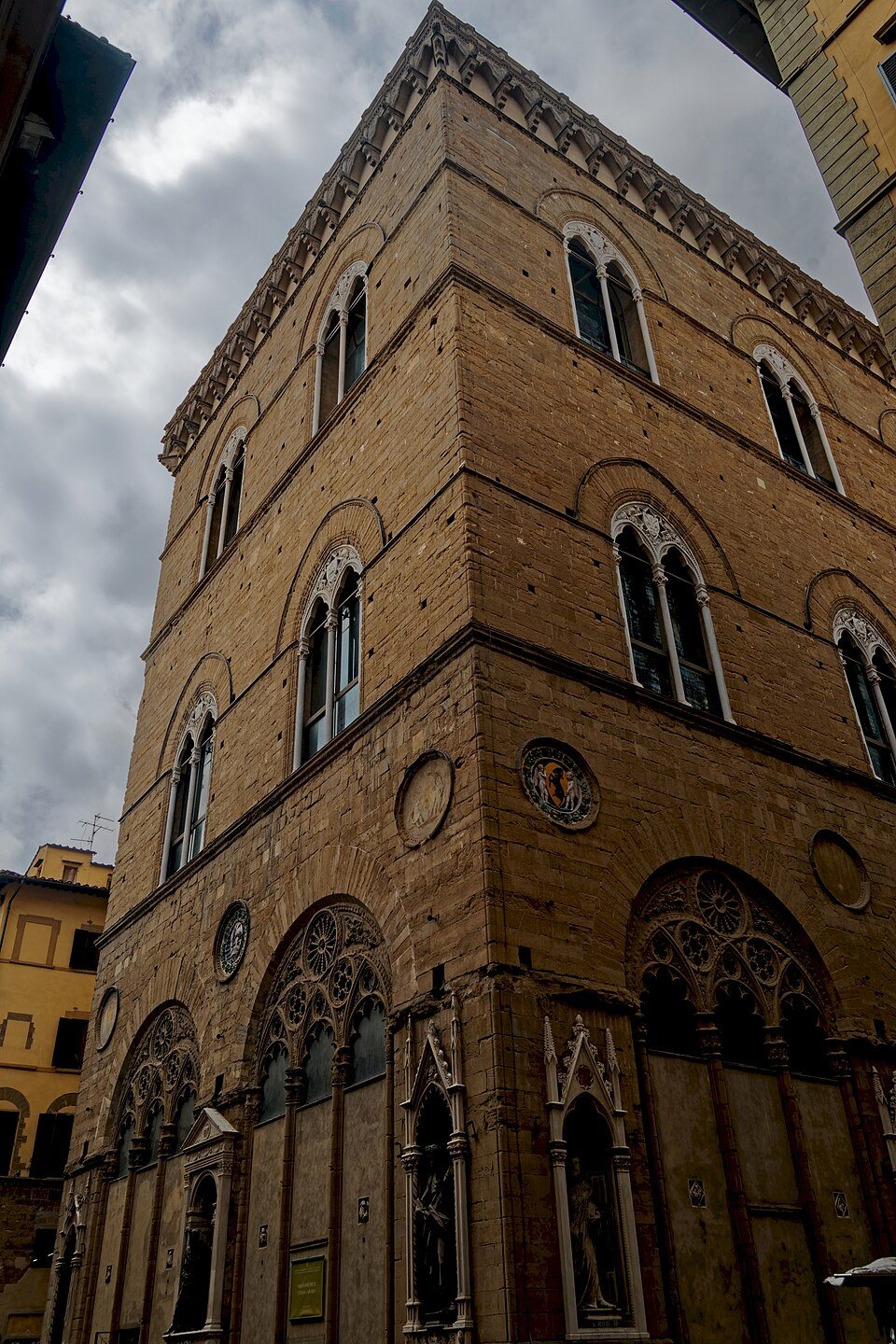 Orsanmichele
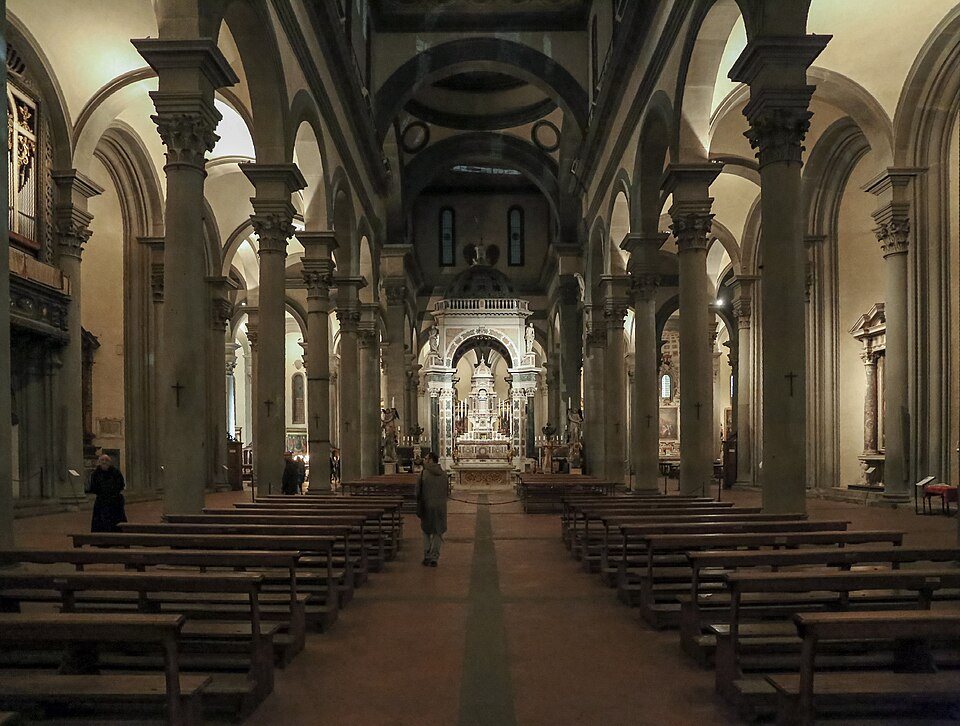 Santo Spirito