Somewhere between the leather stalls and the gelato menus written in six languages, Florence still runs on something far less photogenic: boiled cow stomach, tucked into a bread roll, eaten off a paper wrapper while leaning against a wall. That's lampredotto. It has no glamour to sell, which is exactly why it's survived. If you want to understand what Florentines actually eat when no one's performing "Tuscan cuisine" for a camera, this is it.
What Lampredotto Actually Is
Lampredotto comes from the fourth and final stomach chamber of the cow — the abomasum, if you want the technical term nobody at the counter will use. It's simmered for hours in a broth built from tomato, celery, onion, and parsley until it's tender enough to cut with the side of a fork, though you'll never be handed a fork. The name itself is a nod to lampreda, the lamprey eel, because the cooked tripe's mottled, slightly gelatinous look reminded someone, generations ago, of that fish's skin.
This isn't a chef's invention or a rediscovered "peasant classic" dressed up for tourists. It's the direct descendant of a food economy in which butchers had five stomach chambers to deal with and a city full of manual laborers who needed cheap, filling calories before a full day's work. Trippa — the first three stomachs — got stewed and served with a spoon, often at home or in trattorias. Lampredotto, the fourth, went to the street, cut up, boiled soft, and sold from carts because it was fast, portable, and didn't require you to sit down or even slow down.
That history matters because it explains the whole format. This was never meant to be an experience. It was meant to be lunch.
Where to Find It, and How to Order
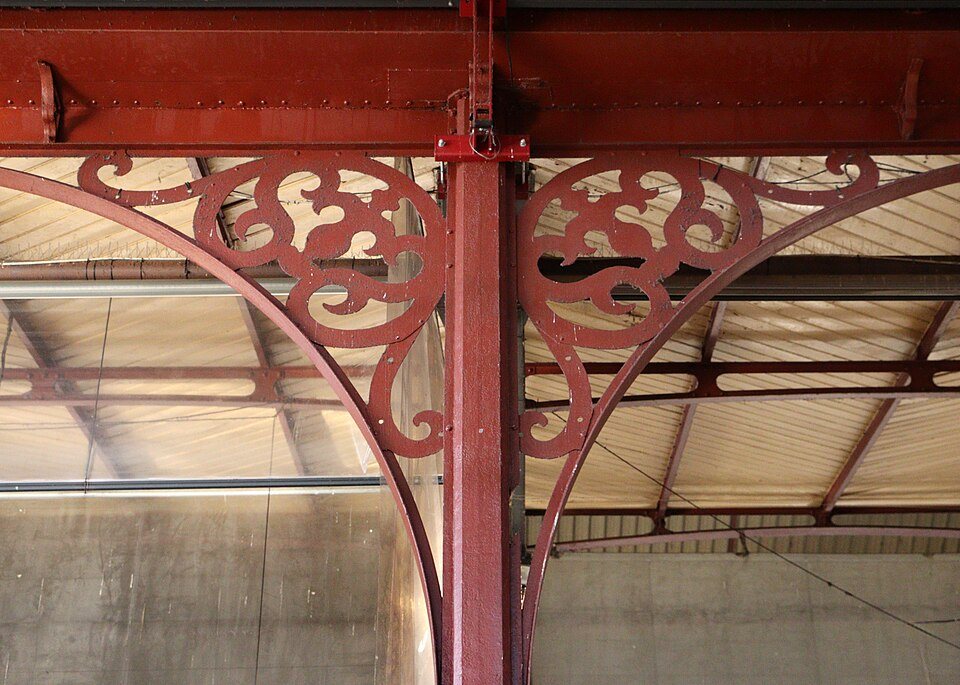
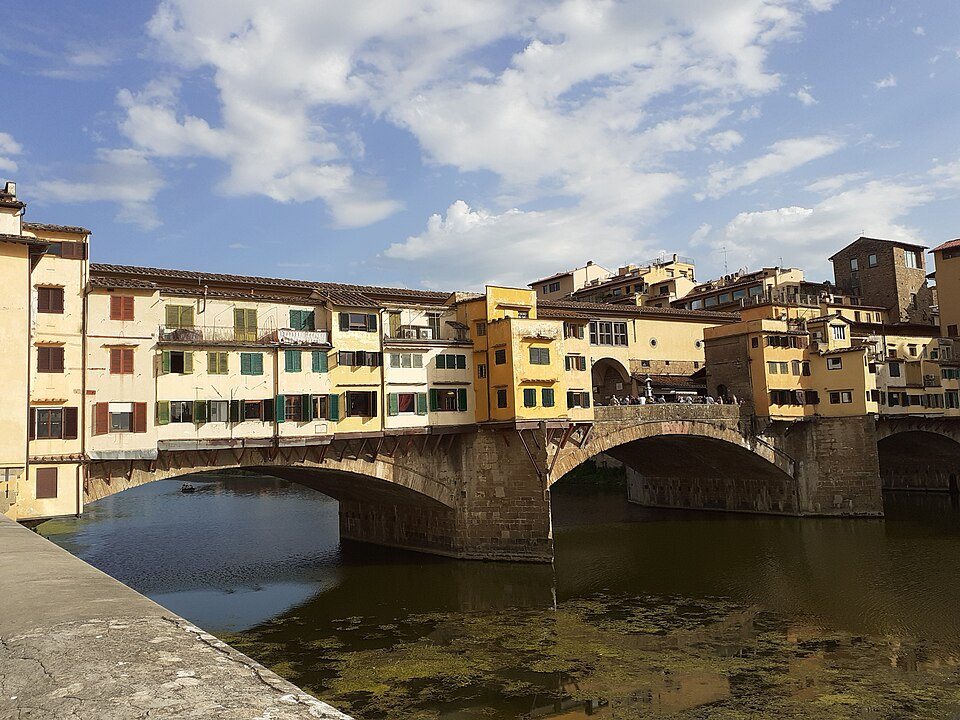
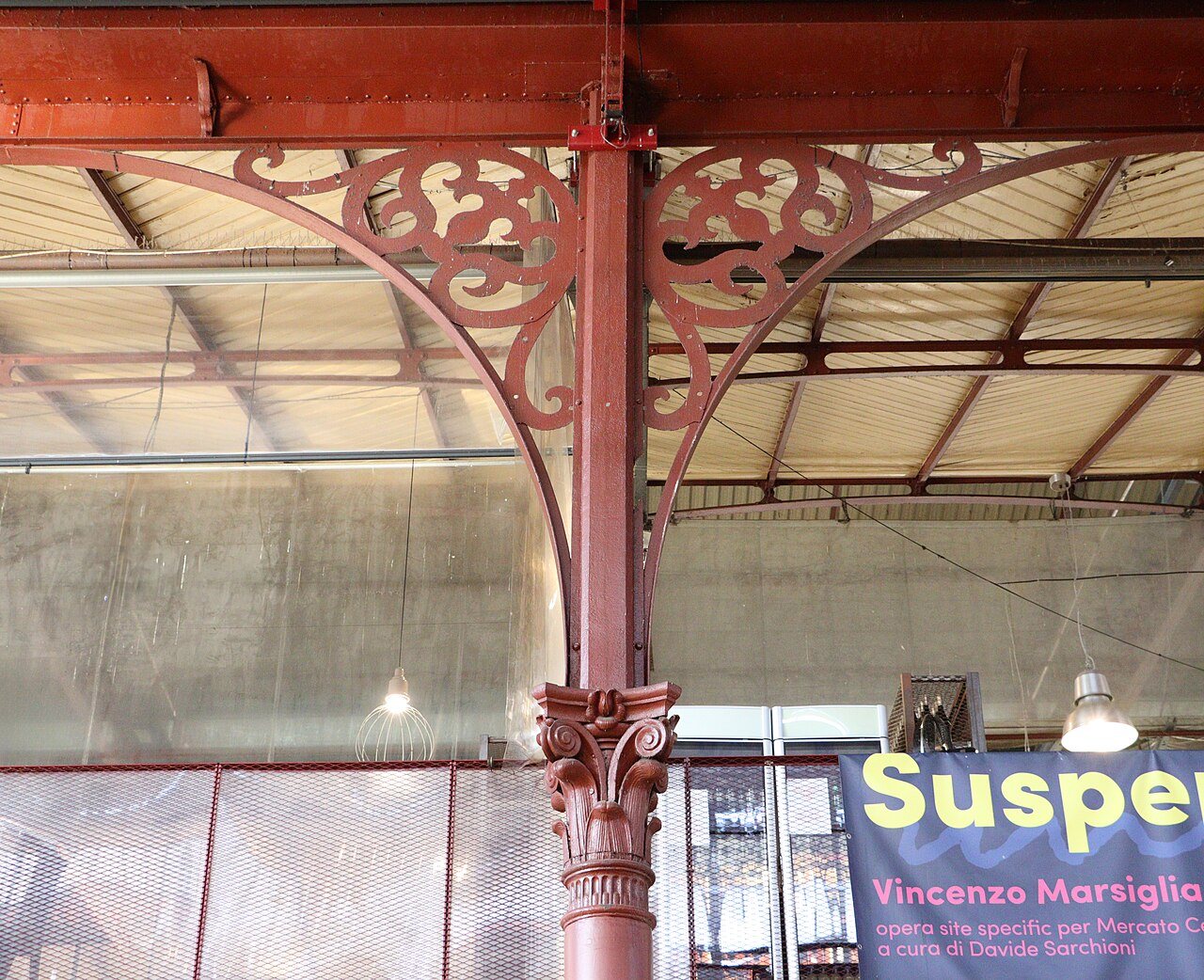
Lampredotto is sold from freestanding carts and small kiosks called trippai, a handful of which have been run by the same families for decades. Some of the better-known ones cluster near Mercato Centrale, where Nerbone has been serving it from inside the market for a long time, and around Ponte Vecchio, where a cart has occupied roughly the same spot for years. Cross the river into Santo Spirito and the Oltrarno more broadly, and you'll find carts serving a neighborhood crowd rather than a tourist one — useful if you want to watch how locals actually order rather than how a queue of visitors does.
The order itself is simple, but the vocabulary trips people up. You're ordering a panino con lampredotto — the meat, sliced and stuffed into a soft roll. From there you'll be asked, in some form, three things:
- Bagnato or asciutto? Whether you want the bread dipped ("bagnato") into the cooking broth before it's filled, or dry ("asciutto"). Most regulars say yes to bagnato — it's what keeps the sandwich from being dry and chewy, and it's part of the point.
- Salsa verde or salsa piccante? A green salsa verde (parsley, garlic, oil, sometimes a little anchovy) or a red chili-based hot sauce. Many people ask for both.
- Con la cotenna o senza? With or without a strip of skin left on for extra texture. This one's a matter of personal preference and not something you need to have an opinion about in advance.
⭐ If you don't speak Italian and freeze up at the counter, "tutto" (everything) usually gets you the standard build — bagnato, both sauces, no special requests — and is a perfectly normal thing to say.
How to Eat It Standing Up
The posture is not incidental. Most carts have no seating, or at most a narrow shelf bolted to the side for balancing your sandwich while you unwrap it. You are meant to eat standing, usually right next to the cart or a few steps away, and then move on. This isn't a picnic and it isn't a sit-down meal you're improvising outdoors — it's fast food in the oldest sense of the phrase, and the etiquette follows from that.
A few things nobody tells you in advance:
- The bread will be warm and slightly soggy from the broth, and it will drip. Don't fight this by holding the sandwich flat — tip it slightly and eat from the top down, the way you'd handle a leaking ice cream cone.
- Napkins are thin and few. If the cart has a small stack, take two or three, not one.
- Nobody lingers. A cart with a line moves fast because people eat in a few minutes and leave. If you want to slow down and savor it, step off to the side rather than holding a spot at the counter.
- ⚠️ The texture is the part that surprises first-timers, not the flavor. It's soft, slightly springy, closer to well-cooked calamari than to any cut of beef you'd recognize. If you're expecting something meaty and chewy, recalibrate before you order.
Price and hours vary cart to cart and shift over time, so rather than quote anything here, check directly with the vendor or a current listing before you go — cash is the safer assumption at most stands regardless.
Why It's Worth the Detour
Florence's big set pieces — the queue for Brunelleschi's dome, the crush in front of the Uffizi, the long approach to Piazzale Michelangelo for the view — are all things the city built to be seen. Lampredotto wasn't built to be seen. It's one of the few things left in the historic center that exists because people still want to eat it, not because someone decided tourists should experience it. That's rarer here than it sounds, and it's reason enough to make time for it between museums.
If you're planning a day that already includes the market at Mercato Centrale or a wander through San Lorenzo's stalls, folding in a lampredotto stop costs you nothing but a short stand at a counter. Pair it with a walk across the river toward Santo Spirito, where the crowd thins out and the carts serve fewer visitors and more regulars — a useful contrast if you've already had the more central, tourist-adjacent version near Ponte Vecchio. For more on how to eat like the city actually eats, rather than how it's marketed, browse the rest of our food and drink coverage.
In pictures