In November 1513, a Florentine civil servant who had just been tortured with the rope sat down most evenings, changed out of his muddy farm clothes and into formal robes, and wrote a short, cold-blooded book about how power actually works. The man was Niccolò Machiavelli. The book was The Prince. Understanding how he got from the torture chamber to the writing desk tells you more about the book than any summary of its arguments.
A career that ended overnight
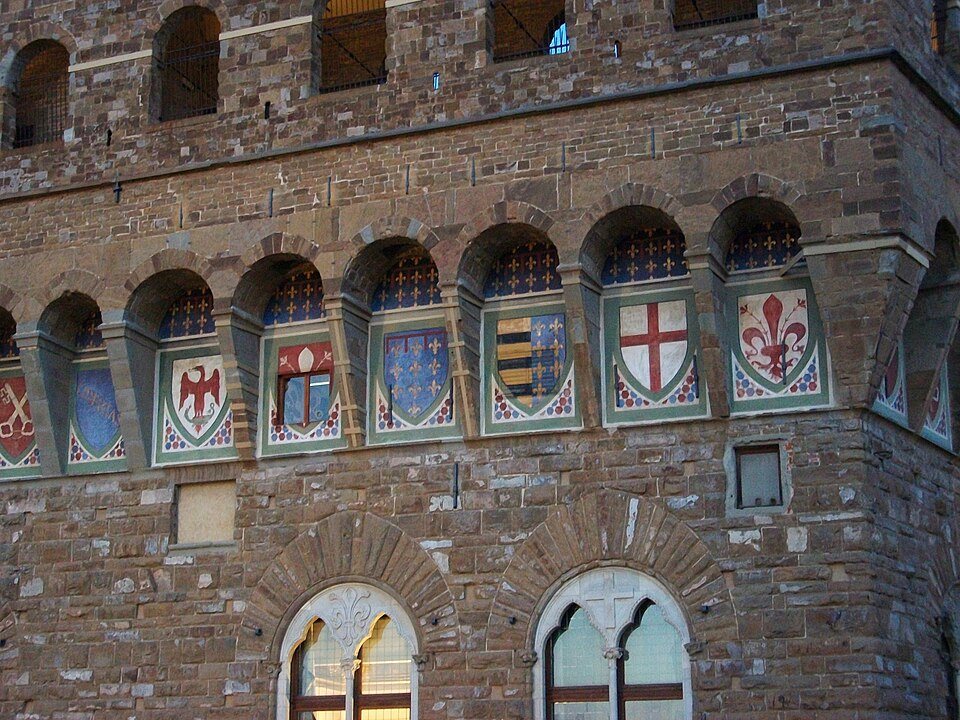
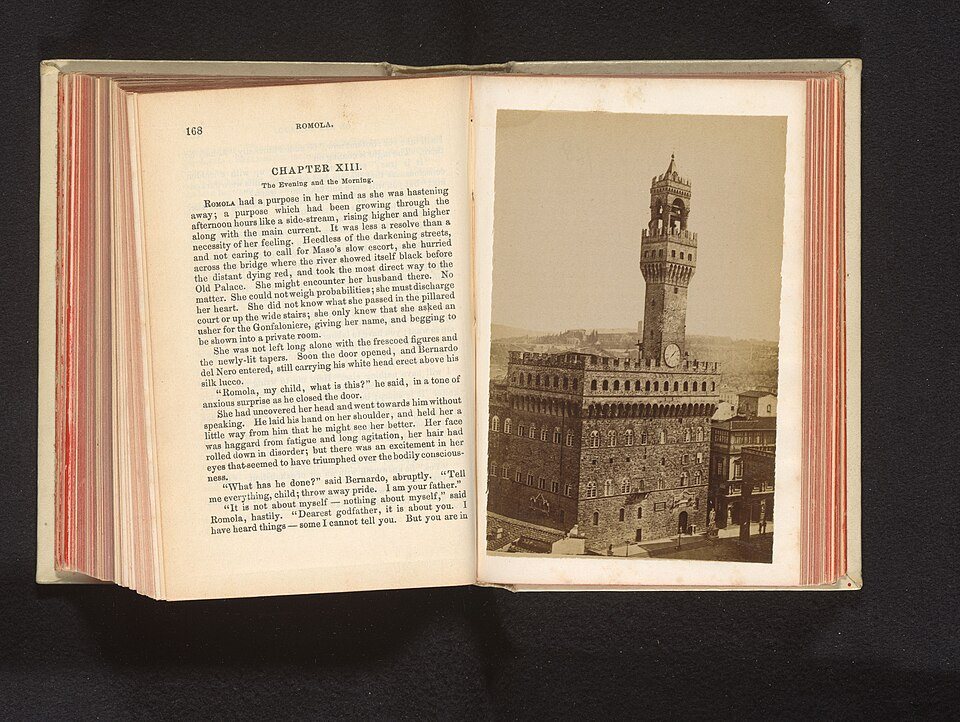
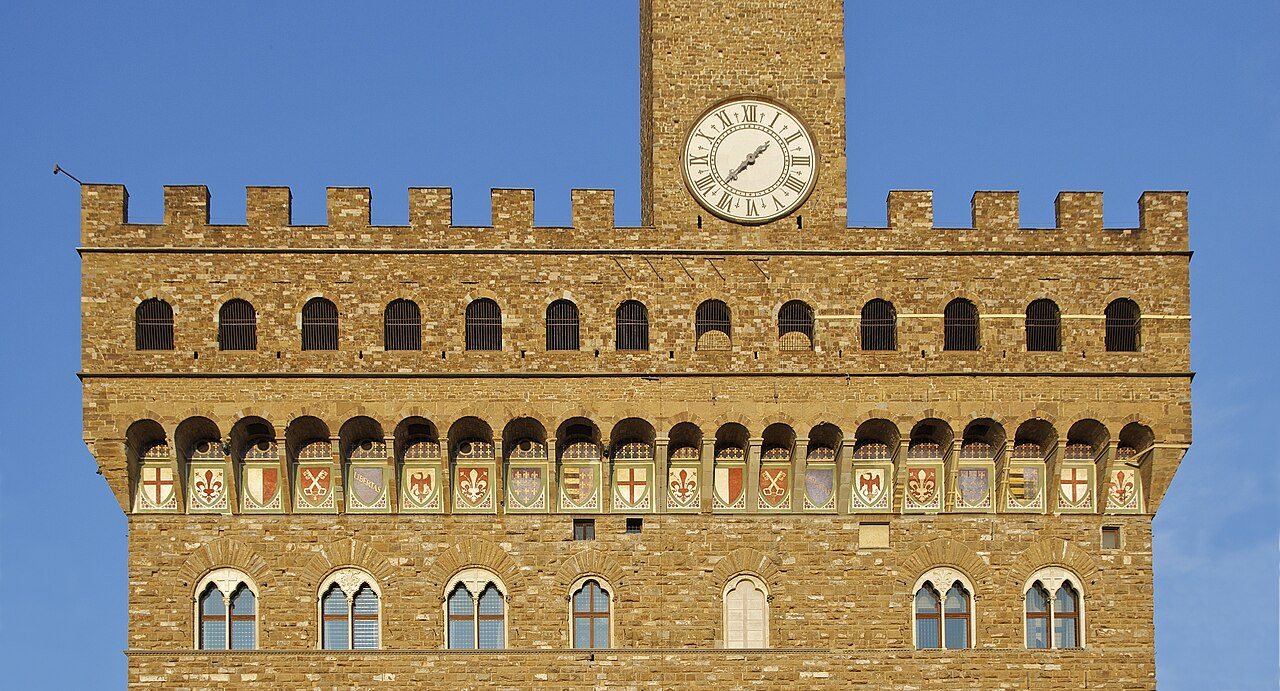
Machiavelli spent fourteen years as a senior functionary of the Florentine Republic, working out of Palazzo Vecchio as head of the Second Chancery and secretary to the Ten of War. He drafted diplomatic correspondence, met kings and popes on the Republic's behalf, and organized a citizen militia because he distrusted mercenary armies. None of this made him rich or noble. It made him useful, which is a different thing and, as it turned out, a more fragile one.
In 1512 a Spanish army, acting for the Medici family and the papacy, sacked the town of Prato and forced Florence to abandon its republican government. The Medici came back. Machiavelli, identified with the old regime, was dismissed from office within weeks, barred from entering the Palazzo, and fined. That alone would have ended most careers quietly. His didn't end quietly.
The rope
In February 1513 a list of suspected conspirators against the restored Medici regime turned up, dropped by a young man named Pietro Paolo Boscoli. Machiavelli's name was on it, almost certainly because he'd once been friendly with men who were now plotting, not because he was plotting himself. That distinction did not save him from arrest.
He was held in the Bargello, the fortress-like building that doubled as prison and seat of criminal justice, and interrogated under the strappado — hands tied behind the back, hoisted by rope, then dropped short, dislocating the shoulders. He endured it four times and admitted nothing, because by his own account there was nothing to admit. He wrote to a relative from his cell with grim humor about the experience, which tells you something about the man: he did not stop noticing and recording things even while in pain.
⚠️ Visitors sometimes assume the Bargello's grim reputation is just atmosphere for the museum displays inside. It isn't invented. The building functioned as a prison and execution site into the nineteenth century, and Machiavelli's imprisonment there is one of its best-documented episodes.
He was freed a few weeks later, not through any proof of innocence but through a general amnesty declared when Giovanni de' Medici — a Florentine, a former acquaintance of Machiavelli's circle — was elected Pope Leo X in March 1513. Luck, in other words, not vindication.
Exile at San Casciano, and the letter that explains everything
Barred from the city's political life, Machiavelli retreated to a small family farm at Sant'Andrea in Percussina, in the hills toward San Casciano in Val di Pesa, a day trip south of Florence today. He was broke, humiliated, and furious at being shut out of the only work he'd ever cared about.
What happened next he described himself, in a letter to his friend Francesco Vettori that has become one of the most quoted documents in Renaissance studies. By day, he wrote, he supervised woodcutters, argued with neighbors, and played cards at the local inn with the butcher and the miller — "catching lice," as he put it. In the evening he went home, took off his muddy workday clothes, and put on the formal robes appropriate for a royal court. Dressed this way, he sat alone with his books and, in his words, entered the ancient courts of men long dead, who answered his questions. Out of those evening conversations with Livy, Tacitus, and the Roman historians came The Prince.
⭐ The letter is worth reading in full if you want to understand the book — it's the clearest statement anywhere of how deliberately Machiavelli separated the humiliated farmer from the political thinker, and how much that separation cost him.
What the book actually is
Machiavelli did not write The Prince as a detached political theory. He wrote it as a job application. The dedication is addressed to Lorenzo di Piero de' Medici, grandson of Lorenzo the Magnificent and the man then running Florence on the family's behalf — part of the Medici dynasty that had just destroyed Machiavelli's career. The book's argument that rulers must sometimes act against conventional morality to preserve the state wasn't abstract cynicism; it was advice offered, transparently, in hope of being useful again and let back into government.
It didn't work. There's no solid evidence Lorenzo ever read it carefully, and Machiavelli never regained a position of real influence. He spent the rest of his life writing — histories, comedies, a treatise on the art of war — while circling the edges of Medici patronage without ever fully re-entering it. The Prince itself wasn't printed until 1532, five years after his death, and its reputation as a handbook for ruthless rulers grew largely afterward, detached from the specific, desperate circumstances of its composition.
Finding Machiavelli in Florence today
The city holds more traces of him than most visitors realize:
- The Bargello, where he was interrogated, is now a sculpture museum — nothing marks the cell, but the building's original function as courthouse and prison is easy to picture once you know the layout.
- Palazzo Vecchio, where he worked for over a decade, still functions as Florence's town hall; the chancery rooms he used are not part of the standard visitor route, but the building's scale gives a sense of the bureaucracy he once ran.
- His tomb is in Santa Croce, a grand nineteenth-century monument built long after his death and reputation had been reassessed — a strange contrast to how little honor he received while alive.
Nothing in the city is staged around him the way sites are built up around Dante or Savonarola. That's fitting. Machiavelli's story isn't really about monuments; it's about a man writing his most influential work at a kitchen table in the evenings, in borrowed dignity, after a government he'd served had tortured him and thrown him out.
In pictures