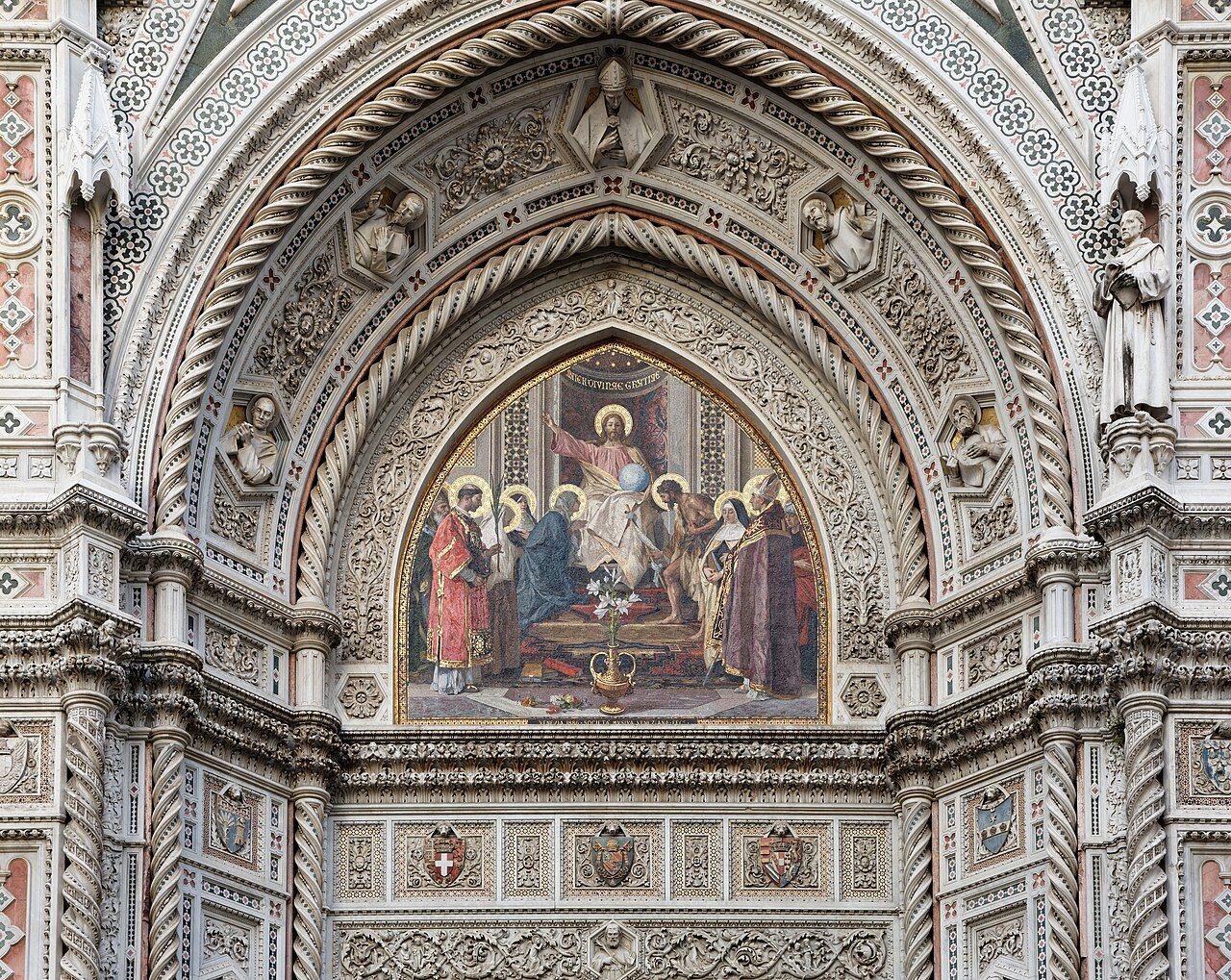
Why this matters here more than anywhere
A fresco is painted into wet plaster and becomes part of the wall. It cannot be sold, moved or hung somewhere else — which is why Florence still has its greatest paintings in the rooms they were made for, while its portable art is spread across the museums of the world.
So you are looking at Masaccio in the chapel he painted, Giotto in Santa Croce, Masaccio's Trinity in Santa Maria Novella, and Fra Angelico in the cells of San Marco where the monks slept.
⭐ The single most concentrated hour of art in this city is the Brancacci Chapel, and it costs less attention than a museum because there is one room.
Brunelleschi's grammar
San Lorenzo and Santo Spirito are the two churches Brunelleschi built, and seen together they explain the whole Renaissance interior: grey pietra serena for every structural line, white plaster between, and arithmetic holding it together.
The Pazzi Chapel in Santa Croce's cloister is the same idea at small scale and is one of the purest rooms in Europe.
⭐ Both churches are free or nearly so, and Santo Spirito's facade is blank plaster, which makes walking in more surprising than it should be.
Practical
⚠️ These are working churches. They close for services, several shut over the middle of the day, and shoulders and knees should be covered.
⭐ They are also the answer to a Monday, when the museums are shut and the churches are not.
Some charge, some are free, and a few charge only for the cloister or the chapel — which is usually the part worth paying for.
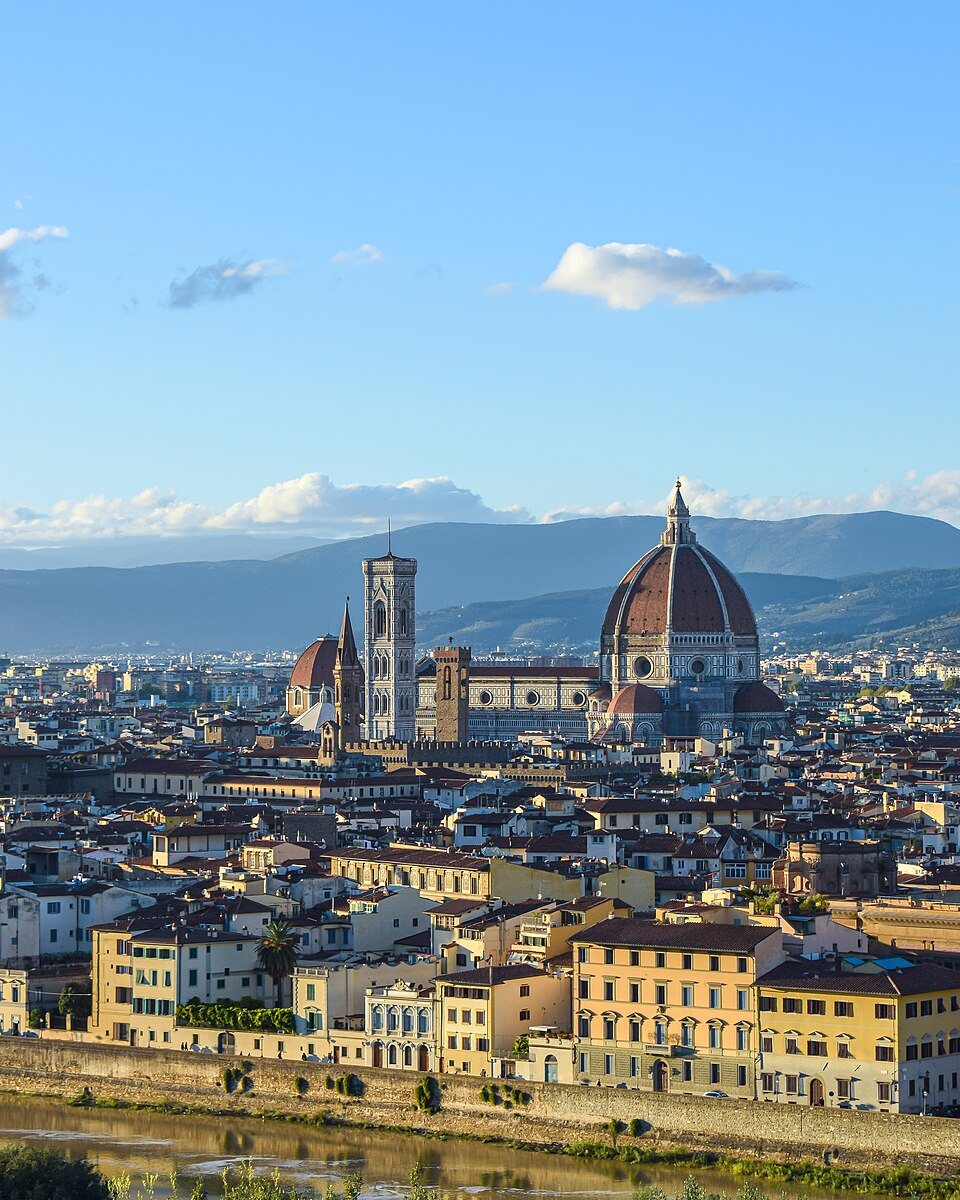 Florence Cathedral
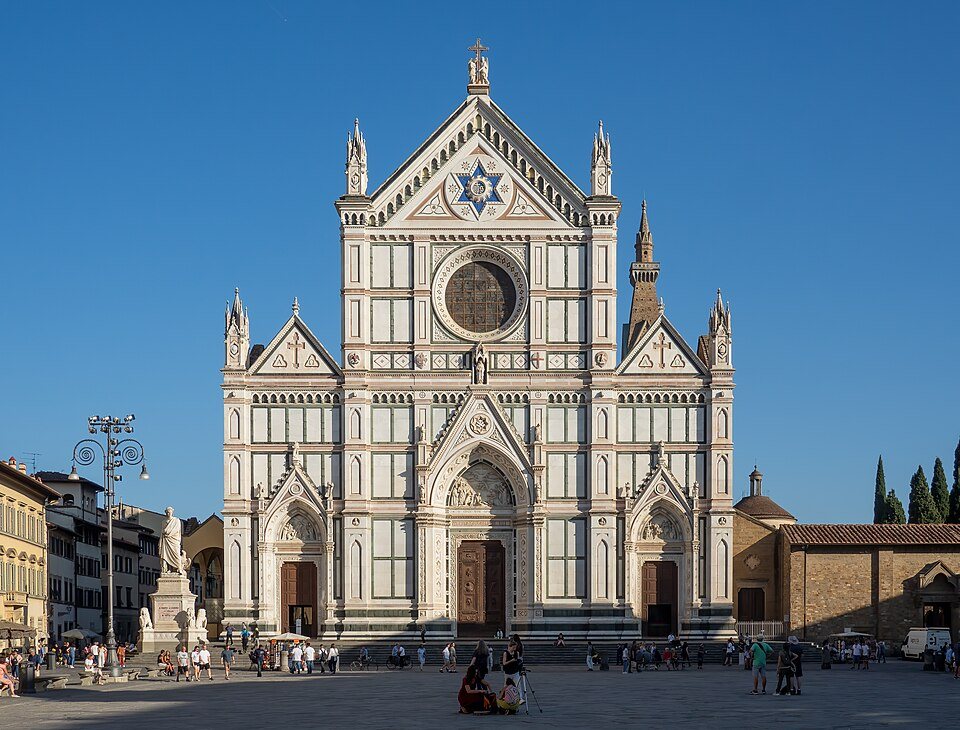 Santa Croce
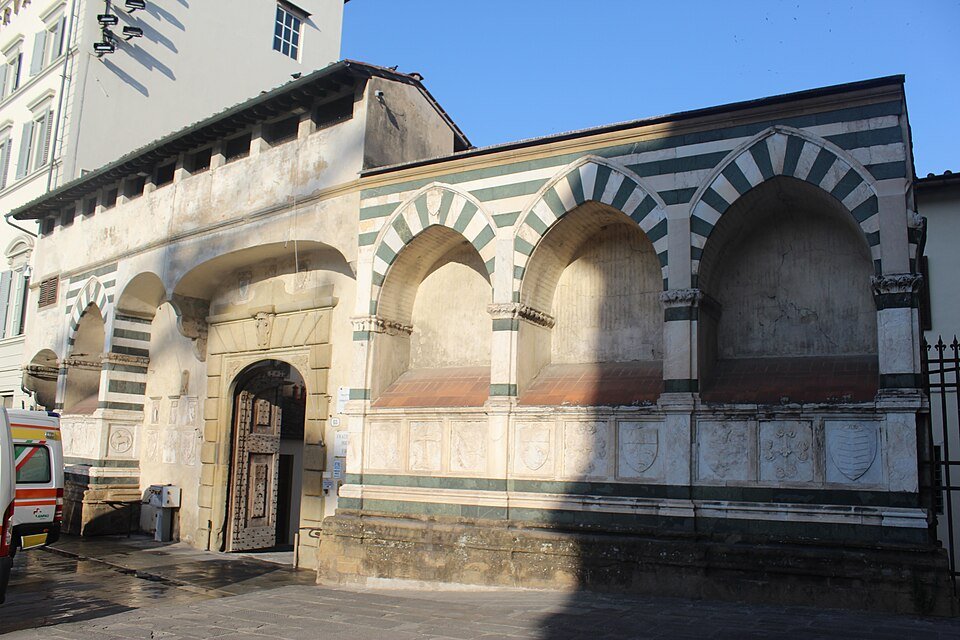 Santa Maria Novella
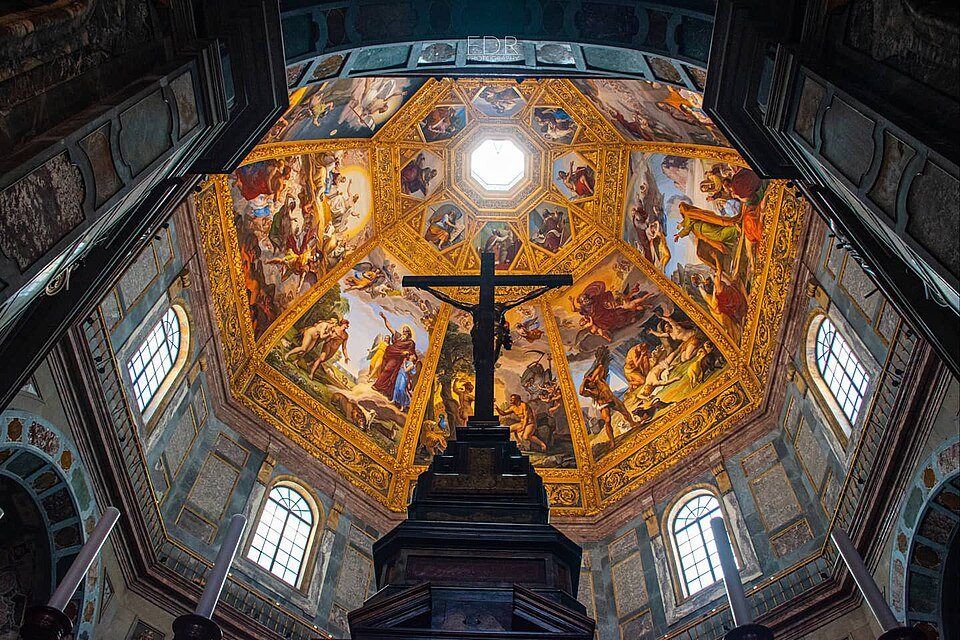 San Lorenzo & the Medici Chapels
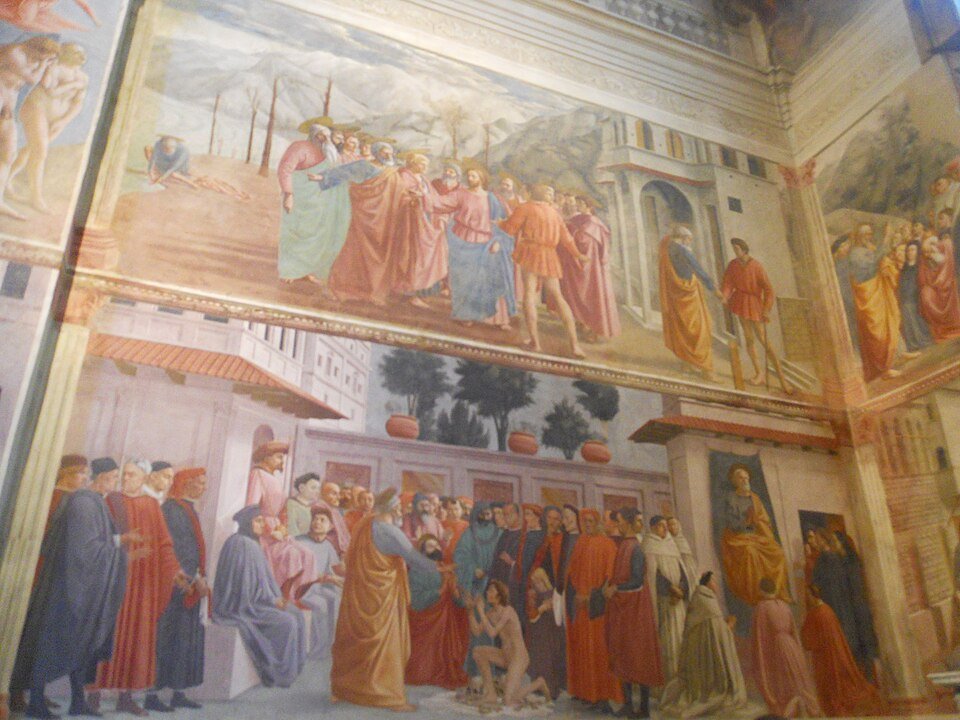 The Brancacci Chapel
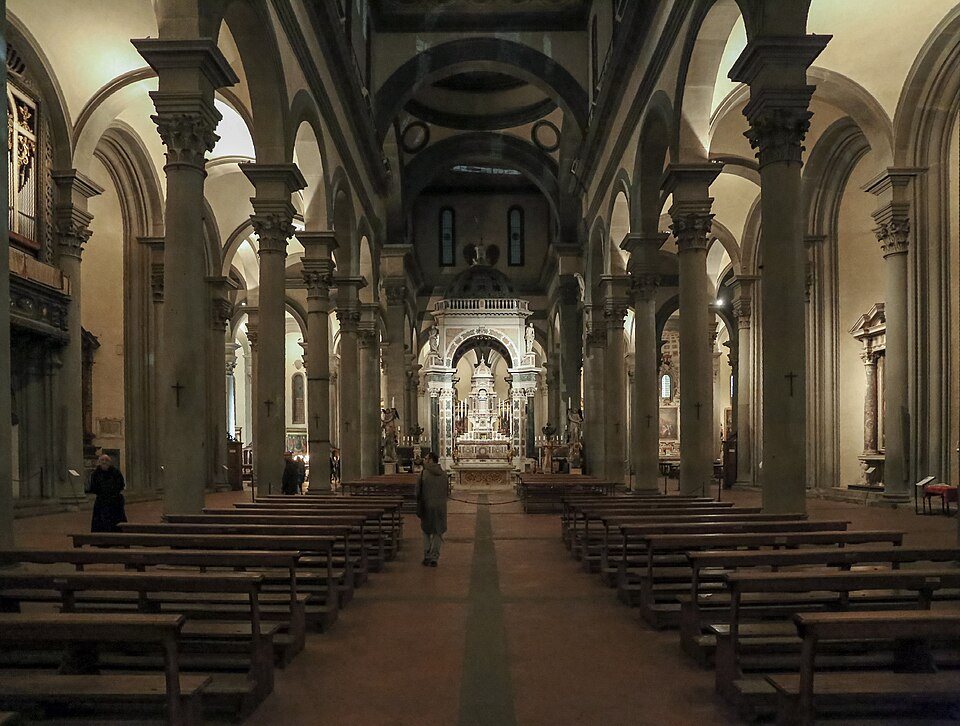 Santo Spirito
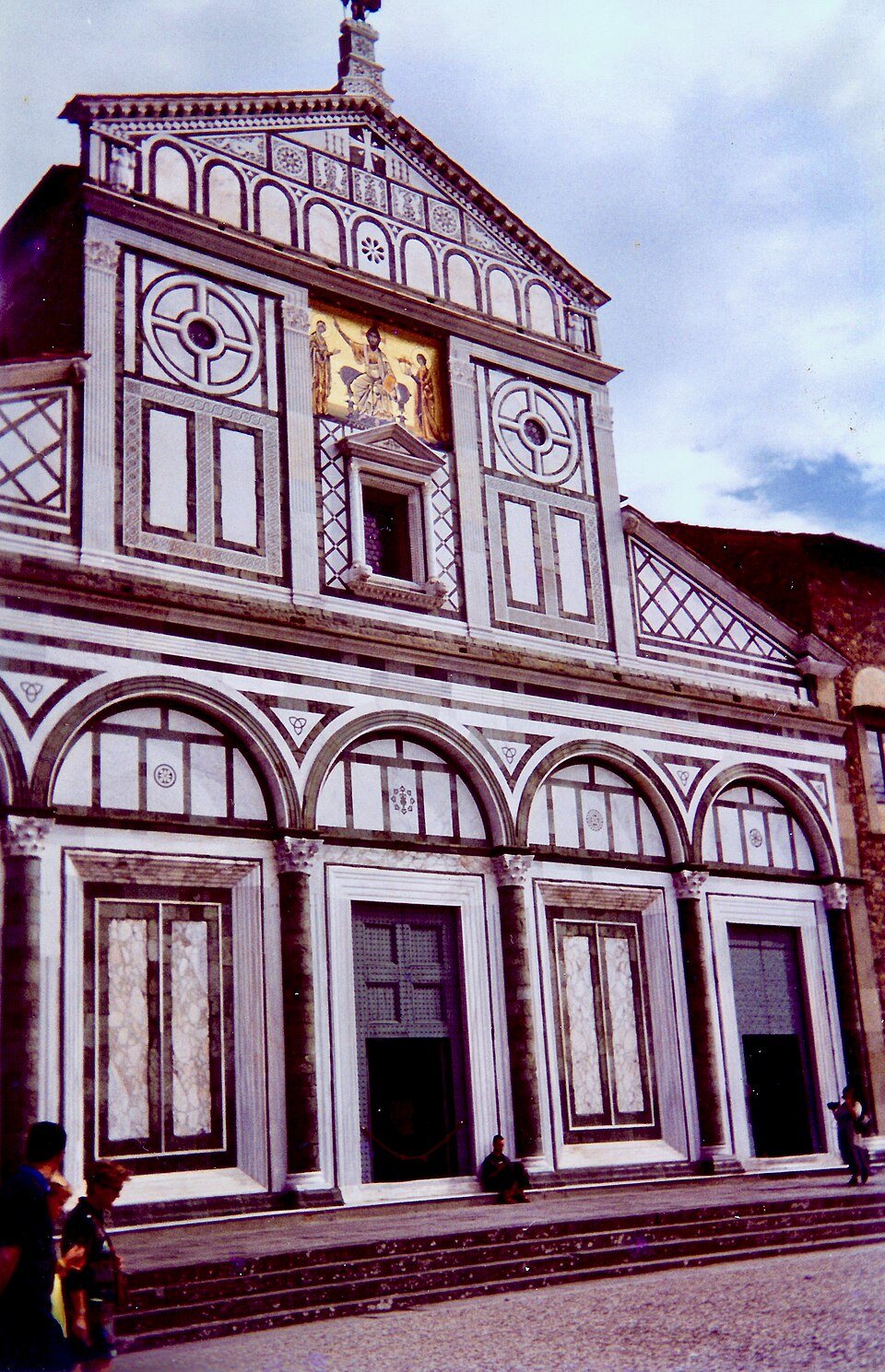 San Miniato al Monte
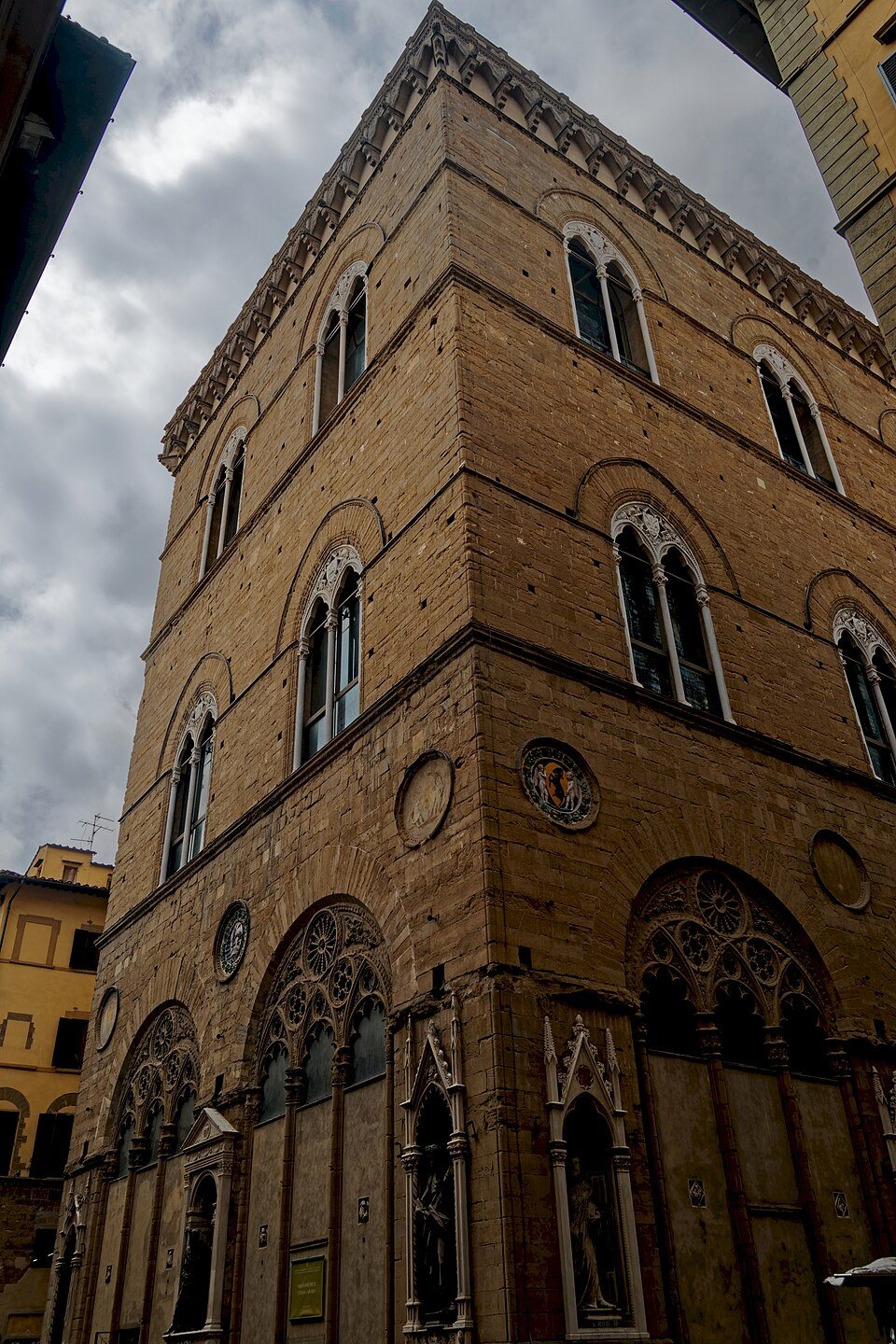 Orsanmichele
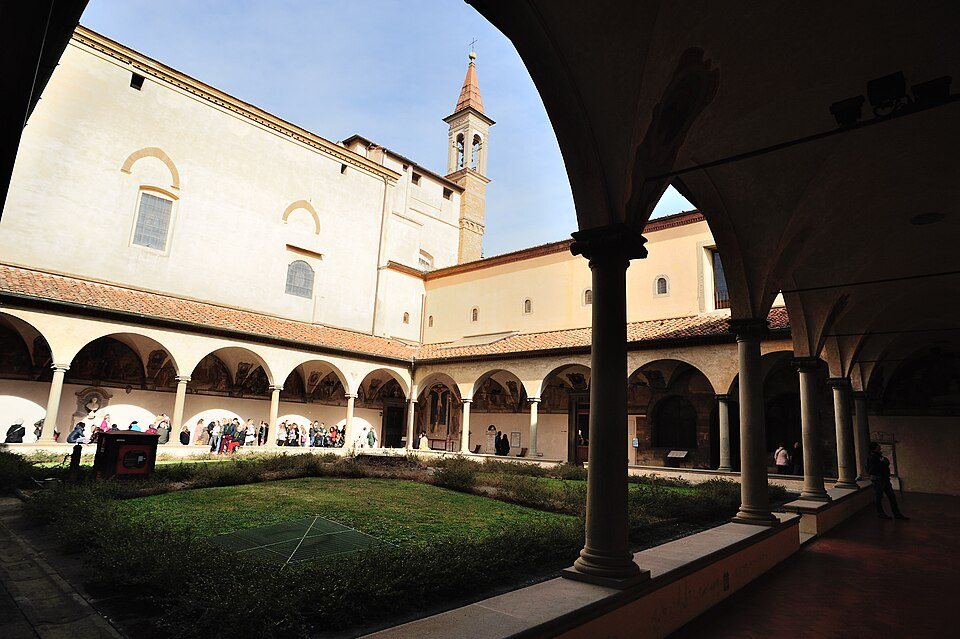 San Marco